
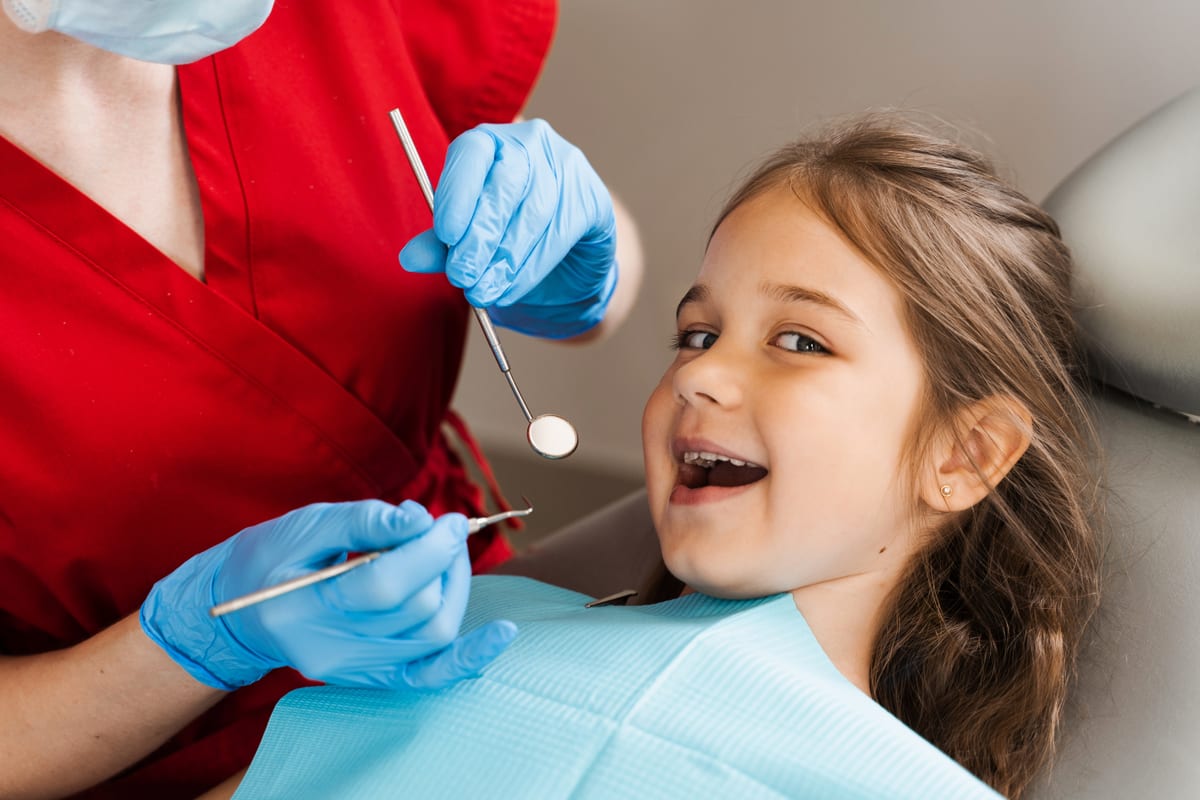
If you've ever found yourself Googling "when do baby teeth fall out?" at 2 a.m. while your toddler cries, you're not alone. Understanding baby teeth facts for parents is one of the most important — and most overlooked — parts of early childhood health. Primary teeth, often called milk teeth or deciduous teeth, do a lot more than help your child chew their first solid foods. They guide speech development, hold space for permanent teeth, and set the foundation for a lifetime of oral health. This guide covers everything you need to know heading into 2026, from eruption timelines to cavity prevention and first dental visits.
The Baby Teeth Timeline: What to Expect and When
Every child is different, but primary teeth typically follow a fairly predictable eruption schedule. Most babies cut their first tooth — usually a lower central incisor — somewhere between 4 and 7 months of age. By age 3, most toddlers have a full set of 20 primary teeth. Understanding this timeline helps parents know when teething pain is normal and when a delay might warrant a conversation with a pediatric dentist.
Eruption Order at a Glance
- Central incisors (bottom): 6–10 months
- Central incisors (top): 8–12 months
- Lateral incisors: 9–16 months
- First molars: 13–19 months
- Canines (cuspids): 16–23 months
- Second molars: 23–33 months
If your child's teeth are arriving a few months earlier or later than these ranges, don't panic — genetics play a big role. However, if no teeth have appeared by 18 months, schedule a visit with a pediatric dentist to rule out any developmental concerns.
When Do Baby Teeth Fall Out?
Primary teeth begin loosening and falling out around age 6, generally in the same order they arrived. The last baby teeth — usually the second molars — typically shed by age 12 or 13. This means your child will have a mix of primary and permanent teeth for roughly six years, a stage dentists call the "mixed dentition" phase. Keeping those baby teeth healthy during this window is absolutely critical.
Why Baby Teeth Matter More Than You Think
One of the most common misconceptions parents carry is that baby teeth "don't matter" because they'll fall out anyway. This couldn't be further from the truth. Primary teeth serve several vital functions that directly impact your child's long-term health and development.
Space Holders for Permanent Teeth
Each primary tooth acts like a biological placeholder, reserving the exact right amount of space for the permanent tooth developing beneath it. When a baby tooth is lost prematurely — due to decay or injury — neighboring teeth can drift into that gap. This shifting can cause crowding, misalignment, and may even require orthodontic treatment later. According to the American Academy of Pediatric Dentistry (AAPD), early tooth loss is one of the leading contributors to the need for braces in children aged 8–14.
Speech and Nutrition Development
Teeth are essential tools for forming sounds. Letters like "f," "v," "s," and "th" depend heavily on how the tongue interacts with the teeth. Children who lose front teeth prematurely may develop speech habits that are difficult to correct later. Additionally, children who can't chew properly due to tooth pain or missing teeth often gravitate toward soft, processed foods — which can affect overall nutrition and healthy growth.
Baby Teeth Facts for Parents: Cavity Prevention Essentials
Early childhood caries (ECC) — commonly known as baby bottle tooth decay — is the most common chronic childhood disease in the United States, affecting approximately 1 in 4 children under age 5. The good news? It is almost entirely preventable. As you build your toolkit of baby teeth facts for parents, cavity prevention strategies should sit at the very top.
Brushing and Flossing by Age
- 0–12 months: Wipe gums with a clean, damp cloth after feedings. Once that first tooth appears, use a soft-bristled infant toothbrush with a smear of fluoride toothpaste (the size of a grain of rice).
- 1–3 years: Continue with a rice-sized amount of fluoride toothpaste. Brush twice daily — morning and before bed.
- 3–6 years: Increase to a pea-sized amount of fluoride toothpaste. Begin flossing as soon as two teeth touch each other.
- 6+ years: Children can begin brushing with supervision. Most kids don't have the fine motor skills to brush effectively on their own until around age 8.
Diet Tips to Protect Primary Teeth
Sugary drinks — including 100% fruit juice — are a leading cause of tooth decay in toddlers. The AAPD recommends no juice at all for children under 12 months, and no more than 4 oz per day for children aged 1–3. Sippy cups and bottles should never be used as pacifiers or filled with anything other than water at bedtime. Snacking frequency also matters: the more often teeth are exposed to sugar or starch throughout the day, the higher the cavity risk.
The First Dental Visit: When, What to Expect, and Cost
The AAPD and the American Dental Association both recommend that a child's first dental visit occur by their first birthday or within six months of their first tooth erupting — whichever comes first. Yet surveys suggest that fewer than 50% of children in the U.S. see a dentist before age 2. Early visits catch problems before they escalate and help children build a positive relationship with dental care.
What Happens at a First Visit?
A first pediatric dental appointment is typically brief — around 30 to 45 minutes. The dentist will examine your child's gums, jaw, and any erupted teeth, check for signs of decay or developmental issues, apply a fluoride varnish if appropriate, and give parents personalized guidance on brushing technique, diet, and teething management. It's more of a "well-baby" visit for the mouth than a full clinical procedure.
How Much Does a Pediatric Dental Visit Cost in 2026?
For families with dental insurance, a first pediatric visit is typically covered at 100% as a preventive service. Without insurance, expect to pay between $50 and $200 for an initial exam and cleaning, depending on your location and the practice. Many community health centers and dental schools offer pediatric services on a sliding fee scale. Some states also provide free dental care for children under Medicaid's EPSDT (Early and Periodic Screening, Diagnostic, and Treatment) program.
Teething Remedies: What's Safe and What to Avoid
Teething typically causes drooling, irritability, mild gum swelling, and a desire to chew on everything in sight. While uncomfortable, it is a normal developmental process. Knowing which remedies are safe is one of the most searched-for baby teeth facts for parents online — and for good reason, as some popular remedies carry real risks.
Safe Teething Strategies
- Chilled (not frozen) teething rings made of solid rubber or silicone
- Gently rubbing gums with a clean finger
- Chilled (not frozen) damp washcloth for baby to gnaw on
- Age-appropriate teething toys that are BPA-free
Avoid: Teething gels containing benzocaine (the FDA has warned against their use in children under 2), amber teething necklaces (a documented choking and strangulation hazard), homeopathic teething tablets with inconsistent belladonna levels, and frozen items that are too hard and could injure gums.
Frequently Asked Questions
At what age should a child first see a dentist?
The AAPD recommends a child's first dental visit by age 1 or within six months of the first tooth appearing. Early visits establish healthy habits, catch developmental concerns early, and reduce dental anxiety in the long run.
Is it normal for baby teeth to have gaps between them?
Yes — spaces between primary teeth are completely normal and actually desirable. These gaps provide room for the larger permanent teeth to erupt in proper alignment. Children with tightly spaced or crowded baby teeth may be more prone to crowding issues with their adult teeth.
Can babies get cavities in their first teeth?
Absolutely. Decay can begin as soon as a tooth erupts. Early childhood caries can progress rapidly in baby teeth, which have thinner enamel than adult teeth. Left untreated, cavities in primary teeth can cause pain, infection, and may require extraction — which can then affect permanent tooth alignment.
Should I be worried if my child's baby tooth doesn't fall out on its own?
If a permanent tooth is visibly erupting and the baby tooth hasn't loosened after a few weeks, consult a dentist. In some cases, a retained primary tooth may need to be extracted to allow the permanent tooth to come in correctly and avoid misalignment.
What toothpaste is safe for babies and toddlers?
Fluoride toothpaste is safe and recommended as soon as the first tooth erupts, provided you use the correct amount — a rice-grain smear for children under 3, and a pea-sized amount for ages 3–6. Fluoride-free "training" toothpastes are not recommended by the AAPD as they do not provide cavity protection.
Do baby teeth need to be filled if they're going to fall out anyway?
In most cases, yes. Leaving a cavity untreated in a primary tooth can lead to pain, abscess, infection that spreads to permanent teeth developing below, and premature tooth loss that affects spacing. A pediatric dentist will assess whether a filling, crown, or — in severe cases — extraction is the most appropriate treatment.
Conclusion
From that very first tiny tooth to the last wobbly molar, your child's primary teeth play an enormous role in their health, development, and confidence. Armed with the right baby teeth facts for parents, you can make informed decisions about diet, hygiene routines, teething relief, and when to seek professional care. The earlier you start, the easier it becomes. If you're ready to find a trusted pediatric dentist near you — one who specializes in making little ones feel comfortable and cared for — visit Top5Dentists.com to explore top-rated dental professionals in your area. Your child's smile starts with a single tooth, but it lasts a lifetime.