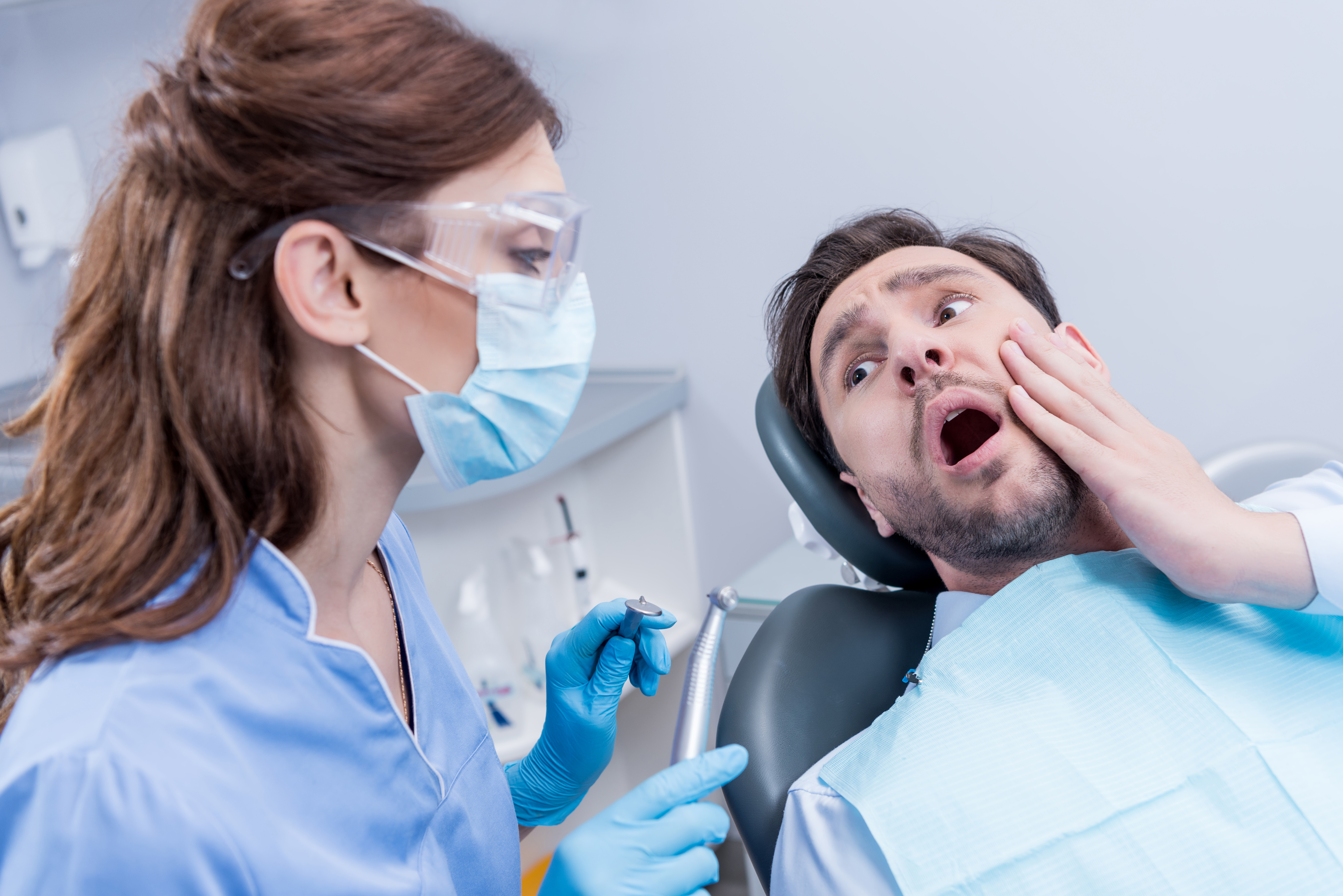
A cracked tooth at midnight. A throbbing abscess on a Sunday. A knocked-out tooth at your kid's soccer game. Dental emergencies never arrive at a convenient time — and the first question most people ask isn't "where's the nearest dentist?" It's "does insurance cover emergency dental visits?" The honest answer is: it depends. Your coverage hinges on the type of plan you carry, the procedure you need, and whether the dentist you visit is in-network. In 2026, with dental costs continuing to rise, understanding exactly what your policy covers before a crisis hits could save you hundreds — or even thousands — of dollars.
How Dental Insurance Typically Handles Emergencies
Most standard dental insurance plans are built around a tiered coverage model. They categorize every procedure into one of three buckets: preventive, basic, or major. Emergency dental care usually falls into the "basic" category, which means insurers typically cover 50–80% of the cost after your deductible is met — but the details matter enormously.
In 2026, the average individual dental insurance deductible sits between $50 and $150, and annual maximums commonly cap out at $1,000 to $2,000. Once you hit that cap, you're paying 100% out of pocket for the rest of the year. If your emergency happens in November and you've already used most of your benefit, you could be left with a significant bill.
What Counts as an Emergency Procedure?
Insurers draw a line between a true dental emergency and elective or restorative work. Procedures that are almost universally recognized as emergency-eligible include:
- Emergency exams and X-rays to diagnose acute pain or trauma
- Tooth extractions for a severely infected or broken tooth
- Root canals to treat a dental abscess or exposed nerve
- Temporary crowns or fillings after trauma
- Re-cementing a lost crown
- Treatment for a knocked-out or displaced tooth
Purely cosmetic repairs — like bonding a chipped front tooth purely for aesthetics — are rarely covered, even if the chip occurred from an accident.
In-Network vs. Out-of-Network Emergency Dentists
This is where many patients get caught off guard. If you walk into an out-of-network emergency dental clinic, your insurer may still pay a portion of the bill — but they'll base that reimbursement on their own "allowed amount," which is often far lower than what the dentist actually charges. You'll be responsible for the difference, a process called balance billing. Always call your insurer's member line first (the number is on the back of your card) to find the nearest in-network emergency dentist who has same-day availability.
The Real Cost of Emergency Dental Care in 2026
To understand why insurance coverage matters so much, look at what emergency dental procedures actually cost without coverage in 2026:
- Emergency exam + X-rays: $100–$350
- Tooth extraction (simple): $150–$400
- Tooth extraction (surgical/impacted): $300–$800
- Root canal (front tooth): $700–$1,200
- Root canal (molar): $1,000–$1,800
- Dental crown: $1,000–$2,500
- Re-cementing a lost crown: $75–$300
- Antibiotic prescription for abscess: $20–$80
A single emergency visit involving an exam, X-ray, and root canal on a molar could easily run $2,000–$2,500 out of pocket. With good insurance coverage at 70%, you might only owe $600–$750 — a dramatic difference.
Does Medical Insurance Ever Cover Dental Emergencies?
In some situations, yes. Standard health insurance (including ACA marketplace plans) generally does not cover routine dental work, but it may cover emergency dental treatment when it's medically necessary and provided in an ER or urgent care setting. For example, if you go to a hospital emergency room for a severe dental abscess causing facial swelling, fever, or difficulty swallowing, the ER visit itself — the exam, IV antibiotics, imaging — may be covered under your medical plan. However, the ER cannot perform the actual dental work (extraction, root canal), so you'll still need a follow-up dentist visit. Some Medicare Advantage plans in 2026 now include limited emergency dental benefits, so check your plan's Summary of Benefits carefully.
Types of Dental Plans and What They Cover for Emergencies
Not all dental insurance is created equal. Here's how the most common plan types stack up when a dental emergency strikes:
PPO (Preferred Provider Organization) Plans
PPO plans are the most flexible and the most common. They allow you to see any licensed dentist, though you'll pay less when you stay in-network. For emergencies, PPOs typically cover 50–80% of basic procedures after your deductible. Because emergencies rarely give you time to shop around, the ability to see any dentist is a major advantage. Most 24-hour dentists and emergency dental clinics accept PPO insurance.
HMO (Health Maintenance Organization) Dental Plans
HMO dental plans are cheaper in monthly premiums but far more restrictive. You're assigned a primary care dentist, and you generally must see that specific provider — or get a referral — to have any costs covered. In a dental emergency, if your assigned dentist isn't available on a Sunday night or a holiday, you may be stuck paying entirely out of pocket unless you can reach your plan's emergency line for pre-authorization to see another provider.
Discount Dental Plans (Not Insurance)
Discount plans like Careington or Aetna Dental Access aren't insurance at all — they're membership programs that negotiate reduced fees with participating dentists. If you have a discount plan rather than true insurance, you'll pay a negotiated rate (typically 20–50% less than the standard fee) but 100% of that discounted rate comes out of your pocket. They're better than nothing, but they're not the same as having coverage.
Smart Steps to Take Before and During a Dental Emergency
Being prepared isn't just about having insurance — it's about knowing how to use it when you're stressed and in pain.
Before an Emergency Happens
- Review your plan's annual maximum and remaining benefit balance each fall, so you know what's left heading into the new year.
- Save your insurer's member services number in your phone so you can quickly find in-network emergency providers.
- Ask your regular dentist if they offer after-hours emergency slots or have an on-call line — many do.
- Consider a dental savings account (DSA) or HSA to set aside pre-tax dollars for unexpected dental costs.
During a Dental Emergency
- Call your insurer's emergency line immediately to find covered providers near you.
- Ask the dental office to submit a pre-treatment estimate before any major procedure begins, so you know your out-of-pocket share in advance.
- Request an itemized receipt and the procedure codes (CDT codes) used — these are essential if you need to file a claim or appeal a denial.
- Ask about payment plans if you're facing a large balance; most dental offices offer in-house financing or work with CareCredit.
What to Do If Your Claim Is Denied
Insurance denials for emergency dental visits happen more often than they should. Common reasons include missing prior authorization, out-of-network billing, or the insurer classifying the procedure as "not medically necessary." Don't accept the first denial as final. You have the right to appeal, and many denials are overturned when patients submit supporting documentation — particularly a letter of medical necessity from their treating dentist. Ask your dentist's office for help; experienced billing coordinators deal with appeals regularly and can dramatically improve your chances of a successful outcome.
Frequently Asked Questions
Does insurance cover emergency dental visits if I go to an out-of-network dentist?
It depends on your plan. PPO plans typically offer partial reimbursement for out-of-network emergency care, but you may face balance billing. HMO plans may not cover out-of-network visits at all unless pre-authorized. Always call your insurer before the visit if time allows.
Is a dental abscess covered by dental insurance?
Yes, in most cases. Treatment for a dental abscess — including the emergency exam, X-rays, antibiotics, and the root canal or extraction needed to resolve it — is generally covered under the basic or major procedures category of a dental plan. Expect to pay your deductible and your coinsurance share (typically 20–50%).
Will insurance pay for a knocked-out tooth?
Emergency treatment for a knocked-out (avulsed) tooth is typically covered. The initial exam and stabilization are usually categorized as basic/emergency services. Longer-term restorations like a dental implant or bridge — needed if the tooth cannot be saved — fall under "major" procedures and are covered at a lower percentage, often 50%, subject to your annual maximum.
Does dental insurance cover 24-hour or after-hours emergency dentist visits?
Yes, most dental insurance plans cover eligible procedures regardless of what time of day they're performed. However, some after-hours clinics charge an additional emergency or after-hours fee, which insurance may not cover. Always confirm with the clinic upfront whether any extra fees apply beyond the standard procedure costs.
What if I don't have dental insurance? How do I pay for emergency dental care?
If you're uninsured, several options can help: dental school clinics offer care at significantly reduced rates; community health centers provide sliding-scale fees based on income; discount dental plans can lower per-procedure costs by 20–50%; and financing options like CareCredit allow you to spread payments over time, often with 0% interest promotional periods.
How do I find out exactly what my plan covers before an emergency?
Log in to your insurer's member portal and download your Summary of Benefits and Coverage document, or call the member services number on your insurance card. Ask specifically about coverage for emergency exams, extractions, and root canals — and confirm your current deductible balance and remaining annual maximum so you know where you stand financially.
Conclusion
The question of does insurance cover emergency dental visits doesn't have a one-size-fits-all answer, but the good news is that most dental insurance plans do provide meaningful coverage for urgent care — as long as you know the rules of your specific plan and act strategically. Review your benefits before a crisis hits, keep your insurer's contact information handy, and always ask for an estimate before major procedures begin. When a dental emergency strikes — whether it's a throbbing toothache, a cracked molar, or a lost crown — the last thing you need is a financial surprise on top of the pain. For help finding a trusted, affordable emergency dentist near you who accepts your insurance, visit Top5EmergencyDentist.com and get connected to same-day care today.