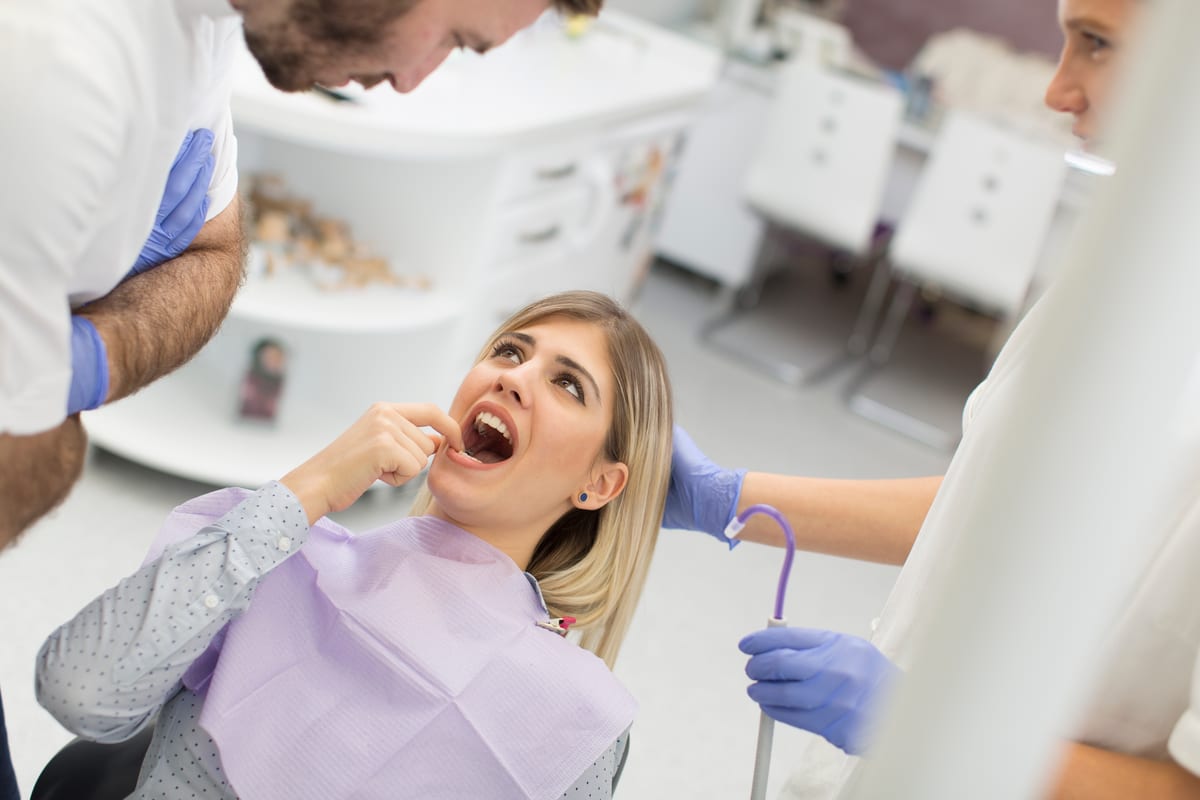
If you've recently had a dental implant placed — or you're planning to — knowing how to care for dental implants after surgery is just as important as choosing the right dentist. Proper aftercare directly determines whether your implant integrates successfully with your jawbone, heals without complications, and ultimately lasts a lifetime. With dental implants costing anywhere from $3,000 to $6,000 per tooth in 2026, protecting that investment starts the moment you leave the dental chair. This guide walks you through every stage of recovery, from the critical first 24 hours to your long-term maintenance routine.
The First 24 Hours: What to Do Immediately After Surgery
The hours immediately following your implant procedure are the most sensitive. Your body is already beginning the healing process, and what you do — or don't do — in this window sets the tone for your entire recovery.
Managing Bleeding and Swelling
Some bleeding and swelling after implant surgery is completely normal. Bite down gently on the gauze pad your dentist provides and keep it in place for at least 30–45 minutes. Avoid spitting forcefully or rinsing vigorously, as this can dislodge the blood clot forming at the implant site. Apply an ice pack to the outside of your cheek in 20-minute intervals during the first day to minimise swelling. Most patients notice peak swelling around 48–72 hours post-surgery, after which it gradually subsides.
Rest, Medication, and Activity Restrictions
Plan to rest for the remainder of the day after your procedure. Keep your head elevated — even while sleeping — to reduce blood pooling around the implant site. Take any prescribed antibiotics exactly as directed to prevent infection, and use over-the-counter pain relievers like ibuprofen as recommended by your surgeon. Avoid strenuous exercise, heavy lifting, or anything that raises your heart rate significantly for at least 48 to 72 hours. Physical exertion increases blood pressure, which can cause renewed bleeding at the surgical site.
What to Eat (and Avoid) During Implant Recovery
Your diet plays a surprisingly large role in how smoothly your implant heals. The implant post needs time to fuse with your jawbone through a process called osseointegration, which typically takes 3 to 6 months. Putting mechanical stress on the implant too early can disrupt this process entirely.
Soft Food Diet for the First Week
For at least the first 7 days, stick to soft, nutrient-dense foods that require minimal chewing. Good options include:
- Yoghurt, smoothies, and protein shakes
- Mashed potatoes, scrambled eggs, and soft-cooked oatmeal
- Soup (lukewarm — not hot), avocado, and soft fish
- Bananas, applesauce, and well-cooked vegetables
Avoid hard, crunchy, or chewy foods like nuts, chips, crusty bread, steak, and raw carrots. Also steer clear of extremely hot or cold foods and beverages, as temperature extremes can irritate the healing tissue around the implant. Most patients can gradually return to a normal diet after two to four weeks, based on their dentist's guidance.
Foods and Habits That Delay Healing
Certain foods and lifestyle habits are particularly harmful during recovery. Smoking is one of the leading causes of dental implant failure, reducing the success rate by up to 20% according to multiple clinical studies. Nicotine restricts blood flow to gum tissue, severely limiting your body's ability to heal. Alcohol consumption should also be avoided, especially while taking antibiotics or prescription pain medication. Carbonated drinks and acidic beverages like citrus juice can irritate soft tissue and slow recovery — plain water is always the safest choice.
Oral Hygiene After Dental Implant Surgery
Good oral hygiene is the cornerstone of long-term implant success. However, the technique you use in the days and weeks after surgery needs to be much gentler than your usual routine.
Cleaning the Implant Site Safely
For the first 24 hours, avoid brushing the implant area entirely. From day two onwards, you can gently rinse with a warm saltwater solution (half a teaspoon of salt in 8 oz of warm water) after meals to keep the area clean. After the first week, carefully brush around — but not directly on — the surgical site using a soft-bristled toothbrush. Your dentist may also prescribe a chlorhexidine rinse to reduce bacterial load in the mouth during early healing. Avoid commercial mouthwashes containing alcohol, which can be too harsh on healing tissue.
Long-Term Implant Hygiene Habits
Once the implant has fully healed, maintaining it is very similar to caring for natural teeth — but with a few extra considerations. Use an interdental brush or water flosser to clean around the implant crown and below the gumline daily, as traditional floss can sometimes be tricky to use around the abutment. Invest in a high-quality electric toothbrush, and use a non-abrasive toothpaste to avoid scratching the implant crown surface. Plaque buildup around an implant can lead to peri-implantitis — a serious gum infection that is the most common cause of late implant failure.
Follow-Up Appointments and Professional Monitoring
Your at-home care routine is only half the equation. Regular professional check-ups are essential for catching any problems early and ensuring osseointegration is progressing as expected.
What to Expect at Your Follow-Up Visits
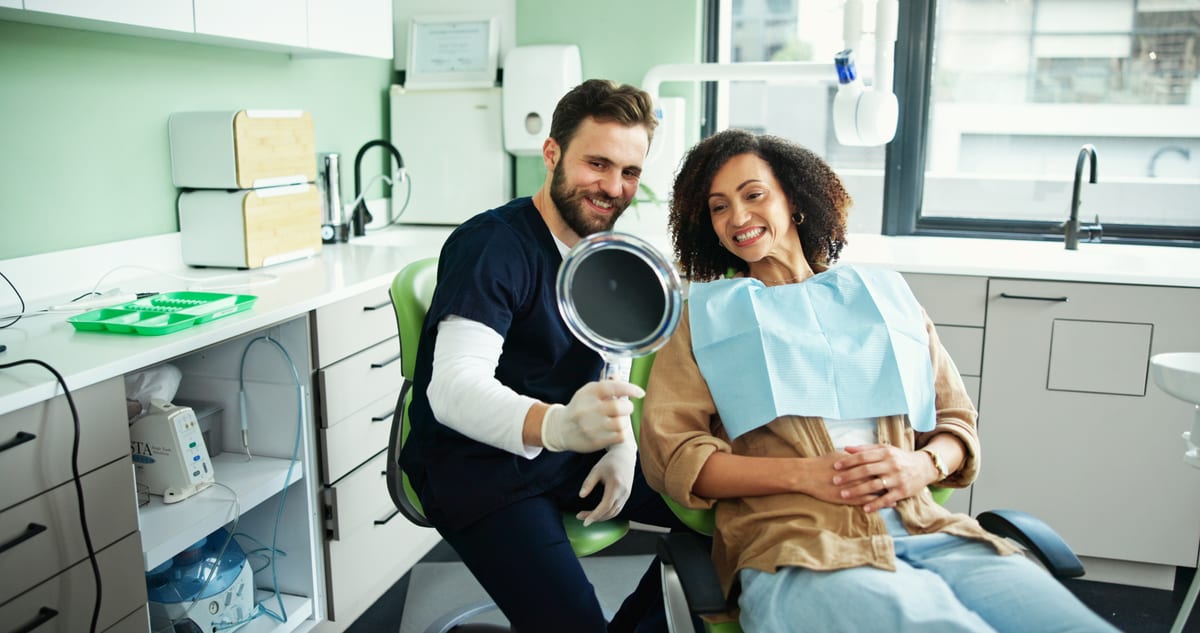
Most implant dentists schedule a follow-up appointment within 7 to 14 days after surgery to check healing, remove sutures if necessary, and take X-rays. Subsequent check-ins typically occur at the 3-month and 6-month marks to assess bone integration. Once the permanent crown is placed, your dentist will schedule regular biannual cleanings — the same as for natural teeth. During professional cleanings, hygienists use special instruments designed not to scratch implant surfaces. Be sure to inform your hygienist that you have implants before every appointment.
Warning Signs You Should Never Ignore
While some discomfort is expected after surgery, certain symptoms are red flags that require immediate attention. Contact your implant dentist right away if you experience:
- Persistent or worsening pain beyond the first few days
- Significant swelling that increases after day three
- Pus or unusual discharge from the implant site
- A loose or shifting implant post
- Fever above 101°F (38.3°C)
Early intervention can often save an implant that might otherwise fail. Never wait and hope symptoms resolve on their own.
Long-Term Care: Making Your Implants Last a Lifetime
With proper care, dental implants have a success rate of over 95% at 10 years, and many patients enjoy them for 20 to 30 years or more. The habits you build after surgery are what determine whether you're in that majority.
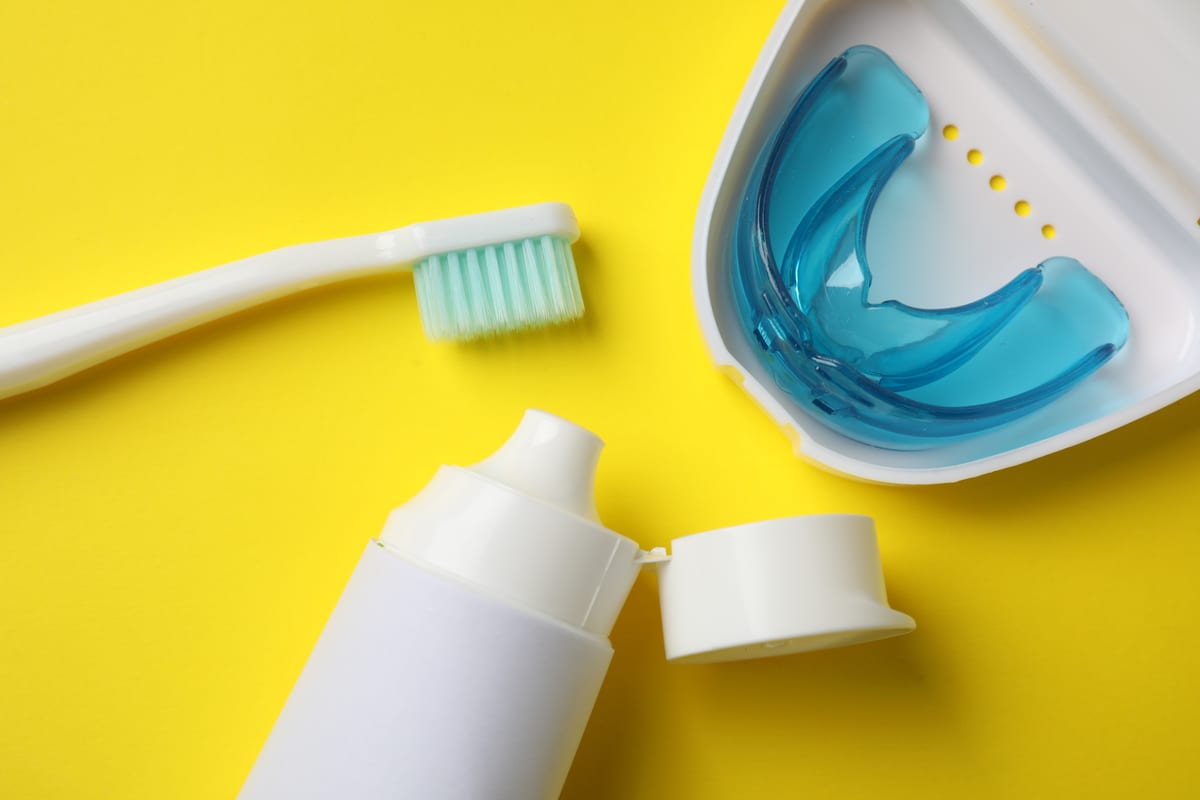
Wear a night guard if you grind your teeth — bruxism is one of the most overlooked threats to implant longevity, as it places tremendous force on the crown and abutment. Avoid using your teeth (or implants) as tools to open packaging or bite nails. Maintain a balanced diet rich in calcium and vitamin D to support ongoing bone density around the implant. And commit to professional cleanings every six months without exception — this single habit does more to extend implant life than almost anything else.
Frequently Asked Questions
How long does it take to fully recover from dental implant surgery?
Most patients experience the majority of their discomfort and swelling in the first 3 to 7 days. Soft tissue heals within 2 to 4 weeks, but full osseointegration — the fusion of the implant post with the jawbone — takes 3 to 6 months. The permanent crown is typically placed after this integration period is confirmed.
Can I brush my teeth the night after implant surgery?
Yes, but avoid the implant site entirely for the first 24 hours. Brush your other teeth gently and rinse with warm saltwater rather than commercial mouthwash. From day two, you can carefully clean around the surgical area using a soft-bristled toothbrush, taking care not to disturb the healing tissue.
Is it normal to have pain a week after dental implant surgery?
Mild discomfort during the first week is normal and typically manageable with over-the-counter pain relievers. However, pain that worsens after day three or four — rather than improving — can indicate an infection or implant complication. In that case, contact your dentist promptly for an evaluation.
When can I eat normally after a dental implant?
Most patients can return to soft, easy-to-chew foods after about one week. A more normal diet is usually possible after two to four weeks, though you should still avoid very hard or crunchy foods near the implant site until the permanent crown is fully placed and your dentist confirms complete healing.
Can dental implants get infected?
Yes. Infections can occur either shortly after surgery (early-stage) or months to years later in the form of peri-implantitis, which is essentially gum disease around the implant. Consistent oral hygiene, not smoking, and regular dental check-ups are the best defences against implant-related infections.
Do dental implants require special cleaning tools?
Standard brushing is essential, but implants benefit from additional tools. A water flosser is highly effective at flushing out bacteria from around the crown and abutment. Interdental brushes can also access tight spaces that traditional floss may miss. Ask your dentist or hygienist to recommend the specific tools best suited to your implant type and placement.
Conclusion
Understanding how to care for dental implants after surgery gives you the best possible chance at a smooth recovery and a lifetime of confident, healthy smiles. From the critical first 24 hours to your long-term hygiene routine, every step matters. The good news? The effort is minimal compared to the reward — dental implants, when properly maintained, are the most durable and natural-feeling tooth replacement option available in 2026. Ready to find a trusted implant specialist near you? Visit Top5ImplantDentist.com to compare top-rated implant dentists, read real patient reviews, and take the first confident step toward your new smile.