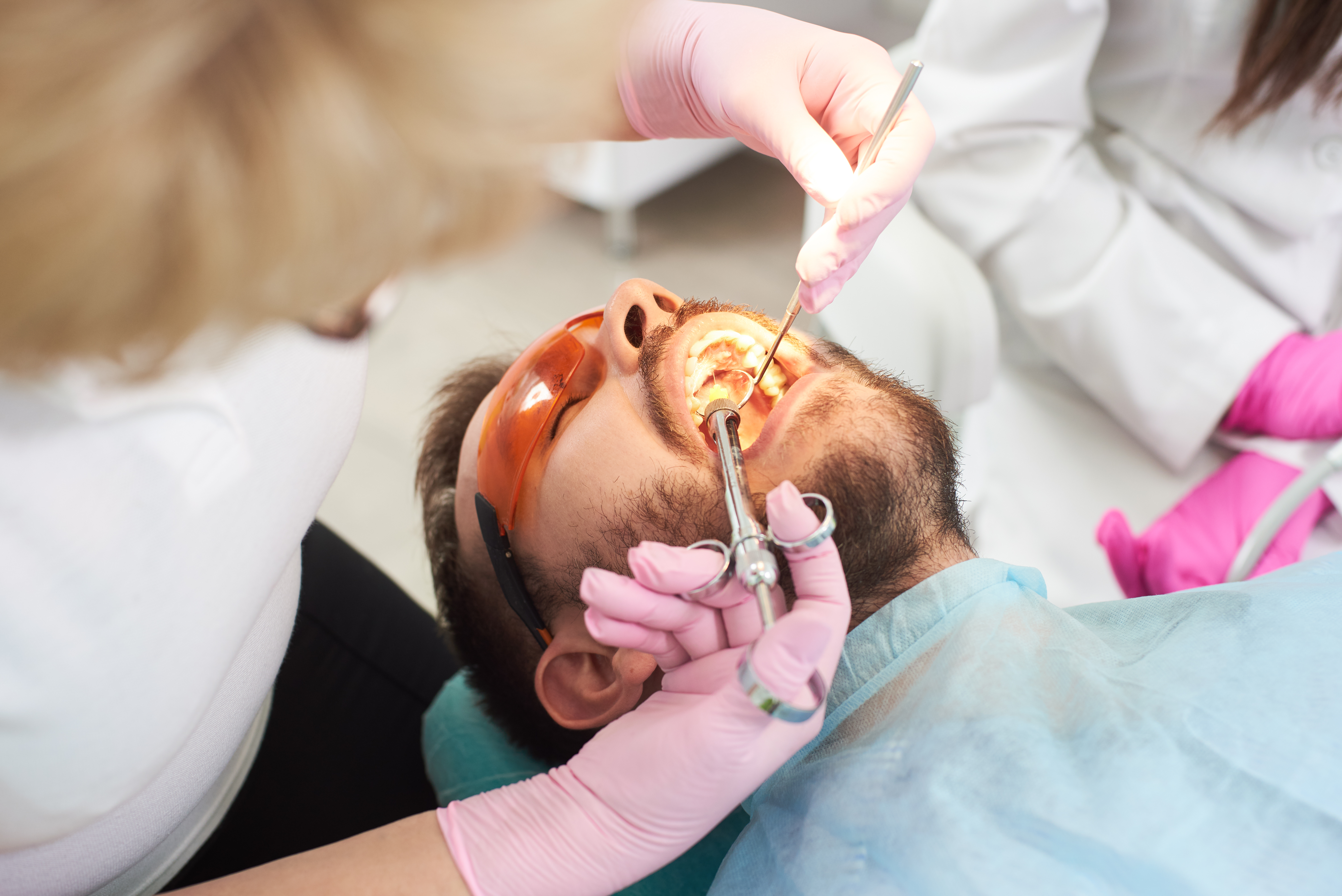
If you're missing most or all of your teeth, choosing the right tooth replacement solution is one of the most important decisions you'll make for your health, confidence, and quality of life. Implant-supported dentures have surged in popularity over the past decade — and in 2026, they're widely considered the gold standard for full-arch restoration. But traditional dentures remain a common choice, particularly for patients focused on upfront affordability. So how do you know which option is right for you? This in-depth comparison breaks down everything you need to know — from costs and comfort to longevity and candidacy — so you can walk into your next dental consultation fully informed.
What Are Implant-Supported Dentures and How Do They Work?
Unlike conventional removable dentures that rest on your gums and rely on suction or adhesive to stay in place, implant-supported dentures are anchored directly to your jawbone using titanium dental implants. These implants fuse with the bone through a process called osseointegration, creating a stable, permanent foundation for your prosthetic teeth.
There are two main types of implant-supported dentures:
- Bar-retained dentures: A thin metal bar follows the curve of your jaw and is attached to two to five implants. The denture clips onto the bar for a secure fit.
- Ball-retained (stud-attachment) dentures: Each implant holds a ball-shaped connector that fits into a socket on the denture, snapping it firmly into place.
Most patients require a minimum of two implants for lower arch support and four for the upper arch, where bone density is typically lower. The popular All-on-4 protocol uses just four strategically angled implants to support a full arch of teeth — often in a single day.
Same-Day Implant-Supported Dentures: Is It Possible?
Yes — same-day implant dentures (often marketed as "Teeth in a Day") are a real and increasingly common option in 2026. Using advanced digital planning software and pre-fabricated prosthetics, many implant dentists can place your implants and attach a full set of functional teeth during a single appointment. It's worth noting that the teeth placed on the day of surgery are typically a temporary set; your permanent, custom-crafted prosthetic is usually fitted three to six months later once osseointegration is complete.
Traditional Dentures: What to Expect
Traditional dentures — also called conventional or removable dentures — have been restoring smiles for centuries, and they remain a widely available and budget-friendly option. They consist of artificial teeth set in a gum-coloured acrylic base that sits directly on your gum tissue.
Getting fitted for traditional dentures typically involves several appointments over four to eight weeks. After any necessary extractions, your dentist takes impressions, and a dental lab custom-fabricates your dentures. Because your gum tissue and bone change shape during healing, you may need adjustments or relining over the first few months.
The Hidden Costs of Traditional Dentures Over Time
The sticker price of traditional dentures is significantly lower — typically $1,500 to $3,500 per arch in 2026 — compared to implant-supported options. However, there are real long-term costs to consider:
- Relining and repairs: As your jawbone shrinks (a natural consequence of tooth loss), dentures need relining every one to two years at $300–$500 per reline.
- Adhesives: Many denture wearers spend $50–$100 per month on adhesive products.
- Replacement: Traditional dentures typically need full replacement every five to eight years.
- Bone loss acceleration: Without implants to stimulate the jawbone, patients lose on average 25% of their jaw bone volume within the first year of tooth loss — which can alter your facial structure over time.
Cost Comparison: Implant-Supported Dentures vs. Traditional Dentures in 2026
Cost is often the deciding factor for patients, so let's look at the numbers side by side:
| Factor | Implant-Supported Dentures | Traditional Dentures |
|---|---|---|
| Average cost per arch (2026) | $15,000–$30,000 | $1,500–$3,500 |
| Lifespan | 15–25+ years (implants often lifetime) | 5–8 years |
| Ongoing maintenance costs | Low (routine checkups) | Moderate–High (relining, adhesives, replacements) |
| Insurance coverage | Partial in many plans (growing) | Often partially covered |
| Financing options | Yes — widely available | Yes |
When you factor in the total cost of ownership over 15–20 years, many patients find that implant-supported dentures become cost-competitive with traditional dentures — while delivering far superior function and quality of life.
Financing Your Implant-Supported Dentures
The higher upfront investment of implant dentures shouldn't automatically rule them out. In 2026, most reputable implant dental practices offer in-house payment plans, third-party financing through companies like CareCredit or Alphaeon, and some even accept health savings accounts (HSAs) and flexible spending accounts (FSAs). Monthly payments as low as $150–$300 can make implant-supported options accessible for many budgets.
Comfort, Function, and Quality of Life
This is where implant-supported dentures truly pull ahead. Because they're anchored to the jaw, they function almost identically to natural teeth. Patients can:
- Bite with up to 90% of natural tooth chewing force (traditional dentures restore only 20–25%)
- Eat virtually any food without restriction — including hard fruits, steak, and crunchy vegetables
- Speak clearly without slippage or whistling
- Sleep in their teeth comfortably (with fixed implant dentures)
- Smile confidently without fear of their teeth shifting or falling out
Traditional denture wearers frequently report difficulty with sticky or hard foods, sore spots from friction on the gums, and the social anxiety of worrying about their dentures moving during conversation or laughter. Studies consistently show that patients who switch from conventional dentures to implant-retained prosthetics report dramatically higher satisfaction scores across all quality-of-life metrics.
Are You a Candidate for Implant-Supported Dentures?
Most healthy adults who are missing most or all of their teeth are strong candidates for implant-supported dentures. The key requirements include:
- Adequate jawbone density: Sufficient bone is needed to anchor the implants. If you've experienced significant bone loss, a bone graft procedure may be recommended first — adding three to six months to the treatment timeline.
- Good general health: Uncontrolled diabetes, active cancer treatment, and heavy smoking can impact implant success rates. Always disclose your full medical history to your implant dentist.
- Healthy gum tissue: Any active gum disease must be treated before implant placement.
- Commitment to oral hygiene: While implant-supported dentures can't decay, the surrounding gum tissue and bone still need care. Regular cleanings and check-ups are essential.
The best way to determine your candidacy is through a comprehensive consultation, including a 3D CBCT scan to assess your bone structure. Many top implant dentists offer free or low-cost initial consultations.
Frequently Asked Questions
How long do implant-supported dentures last?
The titanium implant posts themselves are designed to last a lifetime with proper care — many patients keep their implants for 25 years or more. The prosthetic denture portion typically lasts 10 to 15 years before it may need replacement due to normal wear. Regular dental check-ups are key to maximising longevity.
Do implant-supported dentures feel like real teeth?
Most patients describe them as feeling very close to natural teeth. Because the implants integrate with the jawbone, there's no movement or slipping. Chewing sensation and speaking confidence are dramatically improved compared to traditional dentures. The main adjustment is simply getting used to the feel of a full arch of new teeth.
Are implant-supported dentures covered by dental insurance?
Coverage varies widely by plan. In 2026, an increasing number of dental insurance plans offer partial coverage for implant procedures — typically covering the crown or prosthetic portion rather than the implant post itself. It's worth calling your insurer directly and asking your dental office to help with pre-authorisation. Many practices have dedicated insurance coordinators to help maximise your benefits.
How painful is the implant-supported denture procedure?
The surgical phase is performed under local anaesthesia, so most patients feel little to no pain during placement. Post-operative discomfort is typically mild to moderate and manageable with over-the-counter pain relievers. Many patients are surprised by how comfortable the recovery is. Any significant swelling or discomfort usually subsides within three to five days.
Can I get implant-supported dentures if I've been wearing traditional dentures for years?
Yes, in many cases — but long-term denture wearers often experience significant jawbone resorption, which may require a bone grafting procedure before implant placement. Your implant dentist will assess your bone volume with a CBCT scan and create a personalised treatment plan. The good news is that modern bone grafting techniques are highly effective and have high success rates.
What is the difference between All-on-4 and implant-supported dentures?
All-on-4 is a specific type of implant-supported full-arch restoration that uses exactly four dental implants per arch, with the rear two implants angled at 45 degrees to maximise contact with available bone. It's often possible without bone grafting and can support a full set of permanent teeth. Other implant-supported denture systems may use two to six implants and can be either removable or fixed. All-on-4 falls under the broader umbrella of implant-supported dentures.
The Bottom Line: Which Option Is Right for You?
If affordability right now is your primary concern and you need a solution quickly, traditional dentures are a serviceable short-term option. However, if you're looking at the bigger picture — long-term oral health, jawbone preservation, natural-feeling function, and overall quality of life — implant-supported dentures represent a significantly superior investment. The technology has never been more advanced, the procedures never more refined, and the financing options never more flexible than in 2026.
The best next step is to consult with a qualified implant dentist who can evaluate your specific situation, bone structure, and goals. Ready to find the top-rated implant dentists in your area? Visit Top5ImplantDentist.com to compare the best implant dental practices near you and take the first step toward a stronger, more confident smile.