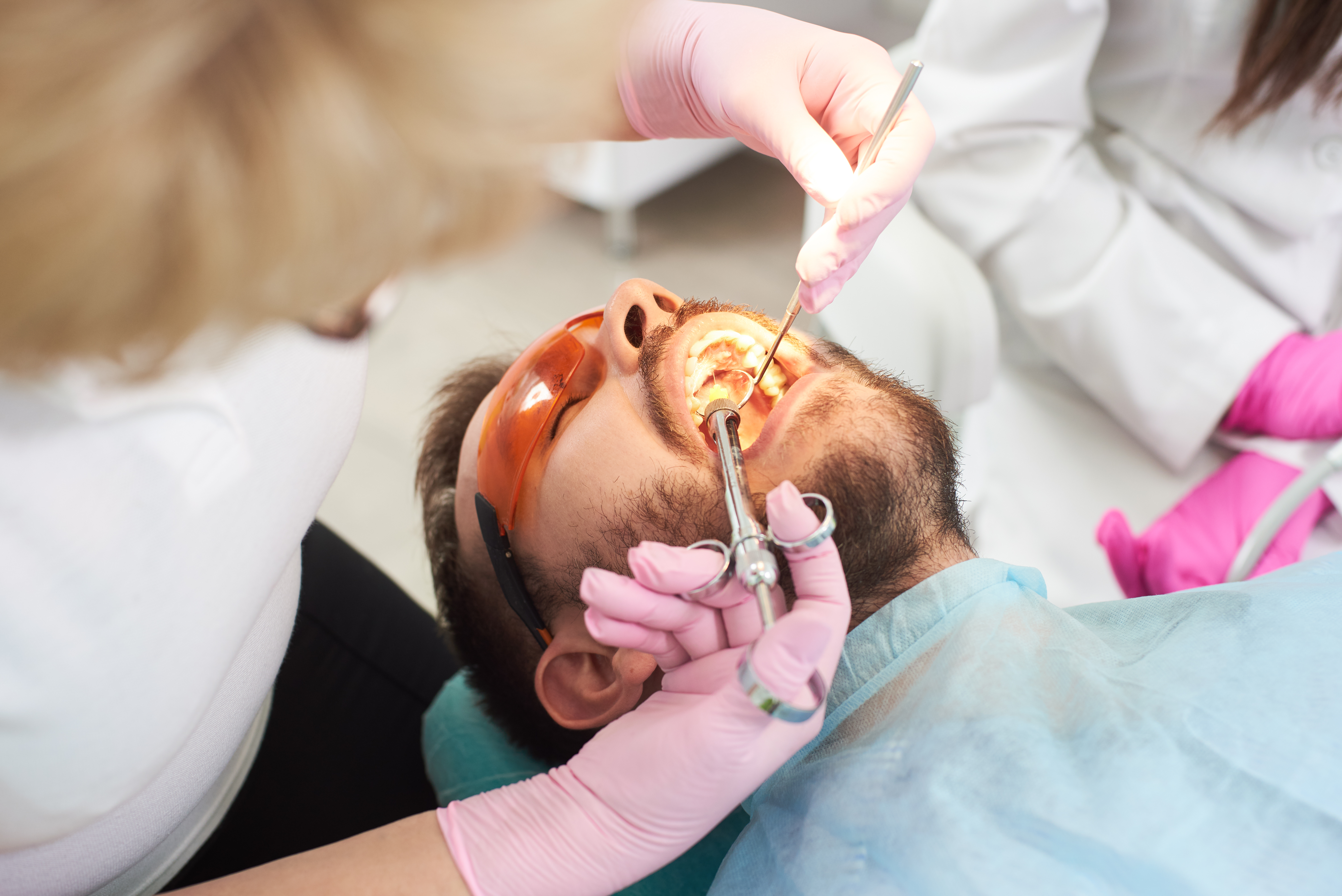
If you've been researching tooth replacement options, you've probably come across the term osseointegration — but what does it actually mean for you? Understanding what is osseointegration dental implants rely on is the key to understanding why implants outperform every other tooth replacement option available today. In short, osseointegration is the biological process by which a titanium implant post physically bonds with your living jawbone, creating a foundation that mimics a natural tooth root. This process is what gives dental implants their legendary stability, longevity, and natural feel — and it's been transforming smiles since Swedish orthopedic surgeon Dr. Per-Ingvar Brånemark first discovered it in 1952.
How Osseointegration Works: The Biology Explained
When a dental implant is placed into your jawbone, your body doesn't recognize it as a foreign object the way it might react to a splinter or a bacteria. That's because dental implants are made from medical-grade titanium (or, increasingly, zirconia), materials that are uniquely biocompatible — meaning your body accepts them without triggering an immune rejection response.
From the moment the implant is seated in the bone, a cascade of biological events begins. Blood clots form around the implant surface, platelets release growth factors, and your body begins laying down new bone cells — a process called osteogenesis. Over the following weeks and months, these new bone cells (osteoblasts) gradually grow into and around the micro-textured surface of the implant, anchoring it securely in place.
The Role of the Implant's Surface Texture
Modern implants aren't smooth cylinders. They're engineered with a roughened, porous surface at the microscopic level — sometimes sandblasted, acid-etched, or laser-treated. This intentional texture dramatically increases the surface area available for bone cells to grip, accelerating the osseointegration timeline and improving overall bond strength. Studies published in the International Journal of Oral & Maxillofacial Implants have shown that surface-treated implants can achieve measurable bone contact within just four to eight weeks.
Titanium vs. Zirconia: Does the Material Matter?
Titanium has been the gold standard for decades, boasting a clinical success rate consistently above 95% at the ten-year mark. Zirconia implants — a tooth-colored ceramic alternative — are growing in popularity, especially for patients with metal sensitivities. Both materials are capable of successful osseointegration, though long-term data on zirconia is still maturing. Your implant dentist can help you determine which material suits your anatomy, health history, and aesthetic goals.
The Osseointegration Timeline: What to Expect
One of the most common questions patients ask is: how long does osseointegration take? The honest answer is that it varies — but understanding the general timeline helps you plan realistically and avoid impatience that could compromise your results.
Standard Healing Phases
- Weeks 1–2: Initial healing. The surgical site closes, swelling and tenderness subside, and primary bone-to-implant contact begins.
- Weeks 3–8: Active osseointegration. Osteoblasts are working overtime, mineralizing new bone tissue around the implant. This is the most critical phase — overloading the implant here can disrupt the process.
- Months 3–6: Bone maturation. The newly formed bone hardens and remodels, reaching sufficient density to support a permanent crown or prosthesis.
- Months 6–12: Full consolidation. For most patients, the implant is fully integrated and indistinguishable in function from a natural tooth root.
For straightforward single-tooth implants in healthy patients, most dentists place the final crown at the three-to-six month mark. Procedures like All-on-4 implants and same-day implants use a technique called immediate loading, where a provisional prosthesis is attached the same day as surgery — but osseointegration still happens underneath; it's just managed differently.
Factors That Affect Osseointegration Success
Osseointegration is remarkably reliable — but it isn't automatic. Several biological and lifestyle factors influence how well and how quickly your bone bonds with the implant.
Health and Lifestyle Factors
- Smoking: Tobacco use is the single biggest risk factor for implant failure. Smoking restricts blood flow to the gums and bone, starving osteoblasts of the oxygen they need. Smokers face a failure rate up to three times higher than non-smokers.
- Diabetes: Uncontrolled blood sugar impairs immune function and slows bone healing. Patients with well-managed diabetes, however, can achieve osseointegration success rates comparable to the general population.
- Bone density and volume: Insufficient jawbone — often caused by years of tooth loss, gum disease, or natural atrophy — can prevent proper implant placement. Bone grafting procedures can rebuild lost volume before implant surgery.
- Medications: Certain drugs, including bisphosphonates (used for osteoporosis), corticosteroids, and some immunosuppressants, can interfere with normal bone turnover and should be disclosed to your implant dentist.
- Oral hygiene: Peri-implantitis — a bacterial infection around the implant — is a leading cause of late implant failure. Rigorous brushing, flossing, and professional cleanings protect your investment long-term.
Surgical and Procedural Factors
The skill and precision of your implant dentist matters enormously. Proper implant angulation, depth, and torque at placement all influence how well osseointegration proceeds. That's why choosing a highly experienced, board-recognized implant dentist — rather than the cheapest option — is one of the smartest decisions you can make. As of 2026, single dental implants in the U.S. typically range from $3,000 to $5,000 per tooth (including the crown), while full-arch solutions like All-on-4 range from $20,000 to $35,000 per arch. These costs reflect the complexity of the procedure and the expertise required to achieve consistent osseointegration outcomes.
How Dentists Confirm Successful Osseointegration
Your dentist won't simply assume osseointegration has occurred — they'll verify it using a combination of clinical tests and imaging. The most common assessment is a resonance frequency analysis (RFA), which measures the stability of the implant in the bone using a small magnetic probe. A high ISQ (Implant Stability Quotient) score — typically above 70 on a scale of 1–100 — indicates strong osseointegration.
Digital X-rays and cone beam CT (CBCT) scans allow your dentist to visualize bone-to-implant contact directly, checking for any gaps, voids, or early signs of bone loss around the implant neck. These checkpoints are typically scheduled at the three-month and six-month marks post-surgery, then annually thereafter.
Frequently Asked Questions
What is osseointegration in dental implants, in simple terms?
Osseointegration is the process by which your jawbone grows into and fuses with a titanium dental implant, making it a permanent, stable part of your body. Think of it as your bone "adopting" the implant as if it were a natural tooth root.
Can osseointegration fail?
Yes, though it's uncommon. The overall implant failure rate is estimated at 5–10% over a lifetime, with early failures (before the crown is placed) being rarer than late failures caused by infection or bone loss. Smoking, uncontrolled systemic disease, and poor oral hygiene are the leading risk factors.
Does osseointegration hurt?
The osseointegration process itself is painless — it happens silently at the cellular level. Post-surgical discomfort from the implant placement procedure (typically 3–5 days of soreness) is managed with over-the-counter pain relievers and prescription medication if needed.
How long does osseointegration take?
For most patients, meaningful osseointegration occurs within 8–12 weeks, with full bone maturation taking up to six months. Factors like your bone density, overall health, and the implant location (upper jaw bone tends to be less dense and may take longer) all influence the timeline.
Can I speed up osseointegration?
You can optimize conditions for it. Quitting smoking, maintaining excellent oral hygiene, eating a nutrient-rich diet (especially calcium and vitamin D), avoiding hard foods during healing, and attending all follow-up appointments give osseointegration the best possible environment to succeed.
Is osseointegration permanent?
When successful, the bond between implant and bone is exceptionally durable. Many patients keep their implants for 20–30 years or longer. The implant post itself rarely fails; it's usually the crown (the visible tooth portion) that may need replacement after 10–15 years of normal wear.
The Bottom Line
Osseointegration is the biological miracle that makes dental implants the gold standard in tooth replacement — and understanding it empowers you to be an active, informed participant in your own treatment. By knowing what affects the process and how to protect it, you dramatically improve your chances of a lifetime of success with your implants. If you're ready to explore whether dental implants are right for you, the next step is connecting with a trusted, qualified implant dentist in your area. Visit Top5ImplantDentist.com to find top-rated implant dentists near you, compare costs, and take the first confident step toward a complete, permanent smile.