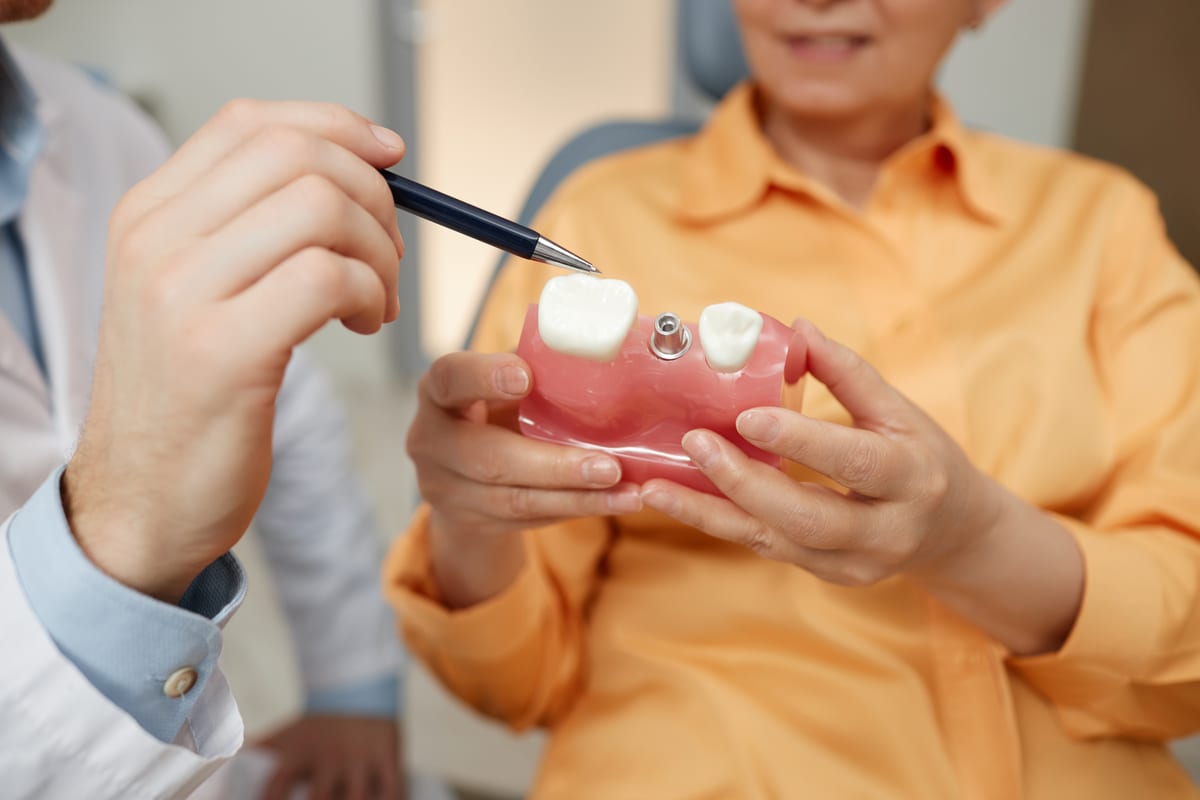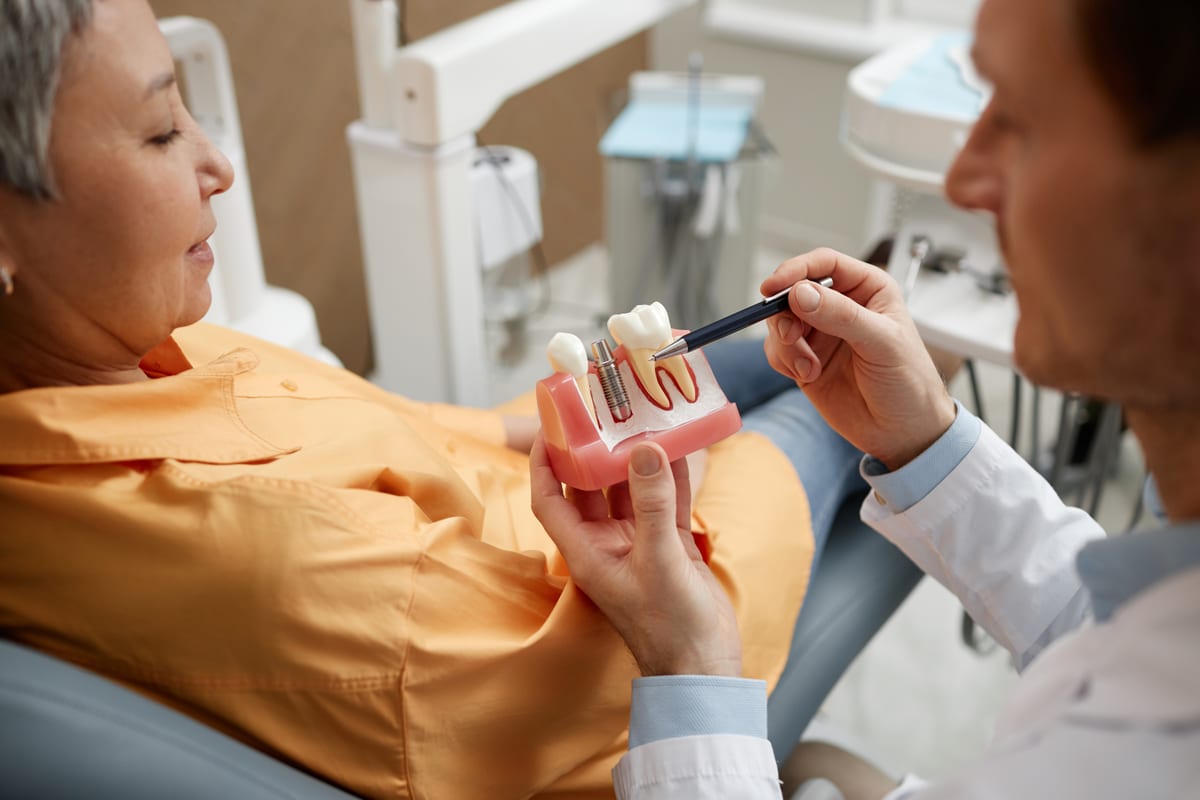
If you are missing one or more teeth and searching for affordable dental implants in Indianapolis IN, you are far from alone. Thousands of Indianapolis residents explore tooth-replacement options every year, and dental implants have quickly become the gold standard — offering a permanent, natural-looking solution that protects your jawbone and restores your confidence. The challenge, of course, is cost. This 2026 guide breaks down everything you need to know: what implants actually cost in the Indianapolis market, what factors drive that price up or down, which procedure types fit different budgets, and how to find a qualified implant dentist without overpaying.
What Do Dental Implants Cost in Indianapolis in 2026?
Pricing for dental implants varies widely depending on the provider, the complexity of your case, and the materials used. That said, here are realistic 2026 benchmarks for the Indianapolis, IN area:
- Single tooth implant (implant + abutment + crown): $3,000 – $5,500
- Implant-supported bridge (3-unit): $6,000 – $10,000
- All-on-4 full arch: $20,000 – $30,000 per arch
- All-on-6 full arch: $24,000 – $35,000 per arch
- Mini dental implants: $1,500 – $3,000 per implant
These figures align closely with national averages reported by the American Academy of Implant Dentistry (AAID). Indianapolis tends to sit slightly below major coastal metros like Chicago or New York, which works in patients' favor.
Why Does the Price Vary So Much?
Several variables influence your final out-of-pocket cost. The implant brand and material (titanium vs. zirconia) matter, as does whether you need preparatory work such as bone grafting, tooth extraction, or sinus lifts. The dentist's credentials and the technology used in their practice — 3D CBCT imaging, digital impressions, guided surgery — also factor in. While a lower quote can be tempting, unusually cheap implants sometimes reflect lower-quality components or less experienced providers. Always ask for an itemised treatment plan before committing.
Does Dental Insurance Cover Implants in Indiana?
Most traditional dental insurance plans in Indiana still classify implants as a cosmetic procedure and exclude them entirely. However, this landscape is slowly changing. Some PPO plans now offer partial coverage — typically $1,000 – $1,500 per implant per year — once you meet your annual maximum. If you have medical insurance and your tooth loss resulted from an accident or medical condition, a portion of preparatory surgery costs may be covered. Always call your insurer before your first consultation and ask specifically about implant coverage codes D6010, D6057, and D6058.
Financing Options That Make Implants Affordable in Indianapolis
Sticker shock is real, but most Indianapolis implant practices offer multiple pathways to make treatment genuinely accessible. Here is what to look for:
In-House Payment Plans and Third-Party Financing
Many Indianapolis dental offices partner with financing companies such as CareCredit, Lending Club Patient Solutions, or Proceed Finance. CareCredit frequently offers 12–24 month promotional, interest-free periods for qualified applicants — meaning a $4,500 single implant could cost you as little as $188 per month with zero interest over 24 months. Some practices also offer their own in-house instalment plans, which can be more flexible for patients with less-than-perfect credit. When shopping around, ask each office: "Do you offer a no-interest financing period, and what are the terms after the promotional period ends?"
Dental Schools and Reduced-Cost Clinics
Indiana University School of Dentistry, located right in Indianapolis, provides implant services performed by supervised dental students and residents at significantly reduced rates — often 40–60% below private-practice fees. The trade-off is that appointments take longer and scheduling can be less flexible. For patients with time and patience, this is one of the most reliable ways to access affordable, high-quality implant care in the city. Additionally, community health centres operating under FQHC (Federally Qualified Health Center) status may offer sliding-scale dental services for income-qualifying residents.
Dental Implant Procedure Options: Which Is Right for You?
Not all implant procedures are created equal. Understanding your options helps you make an informed decision that balances cost, timeline, and long-term outcomes.
Traditional Single-Stage and Two-Stage Implants
The conventional implant process involves placing a titanium post into the jawbone, allowing 3–6 months for osseointegration (the process by which bone fuses to the implant), then attaching an abutment and final crown. This two-stage approach is the most widely performed and has the longest clinical track record — implant survival rates exceed 95% at 10 years. It suits most patients with adequate bone density and no major health complications.
Same-Day Implants (Teeth in a Day)
Same-day or immediate-load implants allow a temporary crown to be placed on the same day as the implant post. This approach works best for patients with strong bone density and good overall health. While the upfront convenience is appealing, same-day implants are not universally appropriate — your Indianapolis implant dentist will evaluate bone volume, bite force, and healing potential through 3D imaging before recommending this route. When suitable, they can dramatically reduce the total treatment timeline from months to a single appointment.
All-on-4 and Full-Mouth Implants
For patients who have lost most or all of their teeth, All-on-4 implants offer a full arch of fixed, non-removable teeth anchored by just four strategically angled implants. Compared to placing individual implants for every missing tooth, All-on-4 is significantly more cost-effective for full-mouth restoration. Many Indianapolis practices now offer All-on-4 with same-day temporary teeth, so you leave the office with a functional smile on day one. The final, permanent prosthesis is typically delivered 3–6 months later once healing is confirmed.
How to Choose the Right Implant Dentist in Indianapolis
Finding the right provider is arguably more important than finding the lowest price. Here is a practical checklist to guide your search:
- Verify credentials: Look for board certification from the AAID or the American Board of Oral Implantology (ABOI). Oral surgeons and periodontists have specialised surgical training, though many general dentists perform implants successfully after advanced post-graduate coursework.
- Ask about technology: Cone beam CT (CBCT) 3D imaging and digital surgical guides significantly improve implant placement accuracy. Practices investing in this technology tend to deliver better outcomes.
- Request before-and-after photos: Any experienced implant dentist should have a portfolio of real patient cases.
- Read reviews carefully: Look for specific mentions of the implant process, communication, and follow-up care on Google and Healthgrades — not just generic praise.
- Get at least two consultations: Most Indianapolis implant dentists offer free or low-cost initial consultations. Use them. Comparing two treatment plans side by side helps you spot outliers and ask better questions.
- Ask about the implant brand: Established brands such as Nobel Biocare, Straumann, Zimmer Biomet, and BioHorizons are backed by decades of clinical research. Avoid practices that cannot or will not name their implant manufacturer.
Tips for Saving Money Without Sacrificing Quality
Affordability does not have to mean cutting corners. These strategies help Indianapolis patients reduce costs responsibly:
- Time your treatment strategically: Some practices offer year-end promotions in November and December when patient volume slows. Ask if the office runs seasonal specials.
- Use your FSA or HSA: Flexible Spending Accounts and Health Savings Accounts can be used for dental implant procedures, allowing you to pay with pre-tax dollars and effectively reduce your cost by 20–30% depending on your tax bracket.
- Bundle treatment: If you need multiple implants, ask about package pricing. Many offices discount multi-implant cases.
- Prioritise bone health now: Delaying implants allows the jawbone to continue deteriorating, which may eventually require expensive bone grafting. Acting sooner often saves money in the long run.
Frequently Asked Questions
How long do dental implants last?
With proper care — regular brushing, flossing, and twice-yearly professional cleanings — dental implants can last 25 years or longer, and many last a lifetime. The crown attached to the implant may need replacement after 10–15 years due to normal wear, but the titanium post itself is designed to be permanent. This longevity makes implants one of the most cost-effective tooth-replacement options over a lifetime compared to dentures or bridges that require periodic replacement.
Am I a good candidate for dental implants?
Most healthy adults who are missing teeth are candidates for implants. Key requirements include adequate jawbone density, healthy gums, and no uncontrolled systemic conditions (such as unmanaged diabetes or active cancer treatment) that impair healing. Smokers can receive implants but face a higher failure rate — up to 20% higher than non-smokers. Your Indianapolis implant dentist will conduct a thorough clinical and radiographic evaluation to determine your candidacy during the consultation.
Does the implant procedure hurt?
The procedure itself is performed under local anaesthesia, so you should feel pressure but not sharp pain during surgery. Most patients report that post-operative discomfort is milder than they expected — comparable to a tooth extraction — and is manageable with over-the-counter pain relievers for the first 2–3 days. Many Indianapolis practices also offer sedation options (oral sedation or IV sedation) for anxious patients, so do not let fear of pain prevent you from exploring this life-changing treatment.
How long does the full implant process take?
For a standard single implant, the total process from placement to final crown typically takes 3–6 months, most of which is passive healing time. If bone grafting is required, add another 3–4 months before implant placement. Same-day implants compress the visible timeline dramatically, though the underlying bone still heals over several months. All-on-4 cases involving extractions and immediate loading can be completed in a single surgical day, with the final prosthesis delivered months later.
What is the difference between All-on-4 and traditional dentures?
Traditional dentures rest on the gums and are removable. They can slip, reduce chewing efficiency by up to 70%, and do nothing to prevent jawbone loss. All-on-4 implants are fixed permanently in the mouth, function like natural teeth, preserve the jawbone, and require no adhesives or nightly removal. While the upfront cost is significantly higher, the functional and quality-of-life difference is substantial. Most All-on-4 patients describe the upgrade as transformative.
Can I get affordable dental implants in Indianapolis with bad credit?
Yes. Several financing options cater specifically to patients with limited or challenged credit histories. Lending Club Patient Solutions and Proceed Finance consider applicants who may not qualify for CareCredit. Some Indianapolis practices also offer extended in-house payment plans with low or no interest for a portion of the balance. Additionally, dental schools like IU School of Dentistry do not require financing at all — you simply pay the reduced fee at the time of service, often in instalments.
Conclusion
Dental implants represent one of the best long-term investments you can make in your oral health, your confidence, and your overall quality of life — and they are more accessible in Indianapolis than many people realise. By understanding the real costs, exploring financing options, leveraging FSA/HSA benefits, and carefully vetting providers, you can find a solution that fits both your mouth and your budget. Ready to take the next step? Browse our vetted list of top-rated Indianapolis, IN dentists and book a free consultation today. Your best smile in 2026 starts with a single appointment.