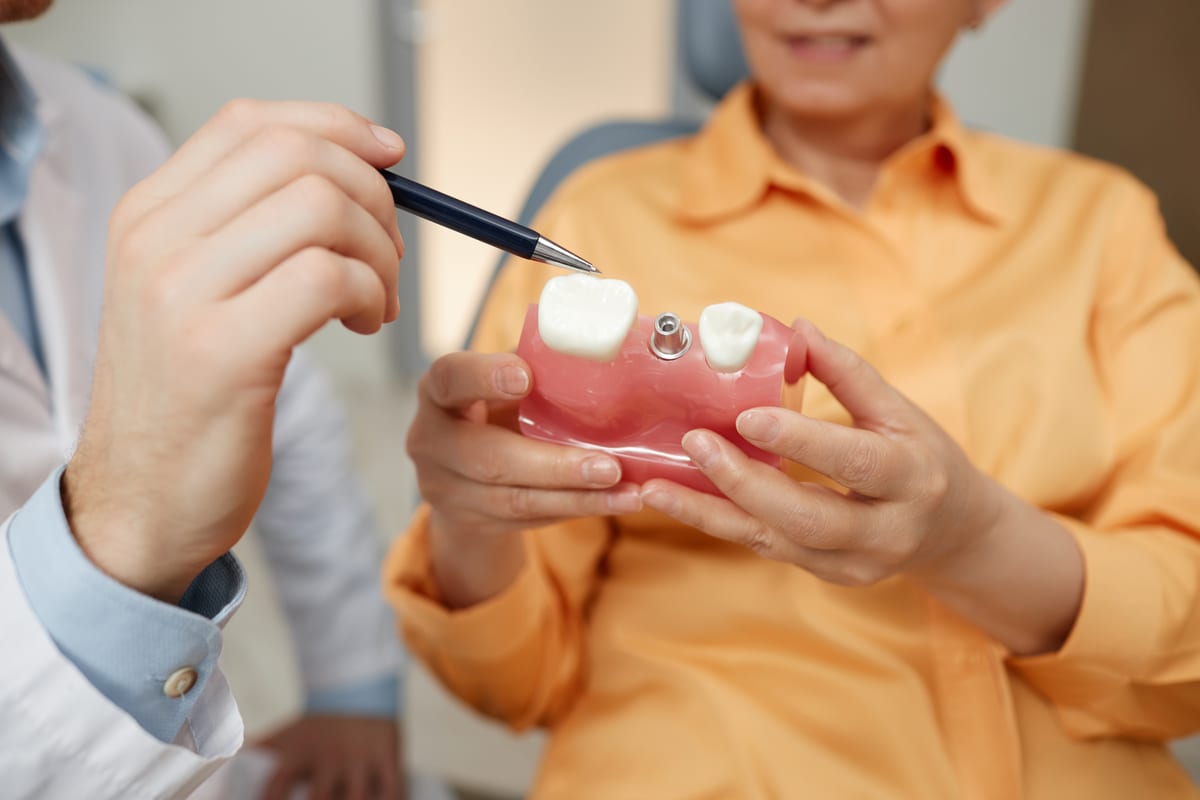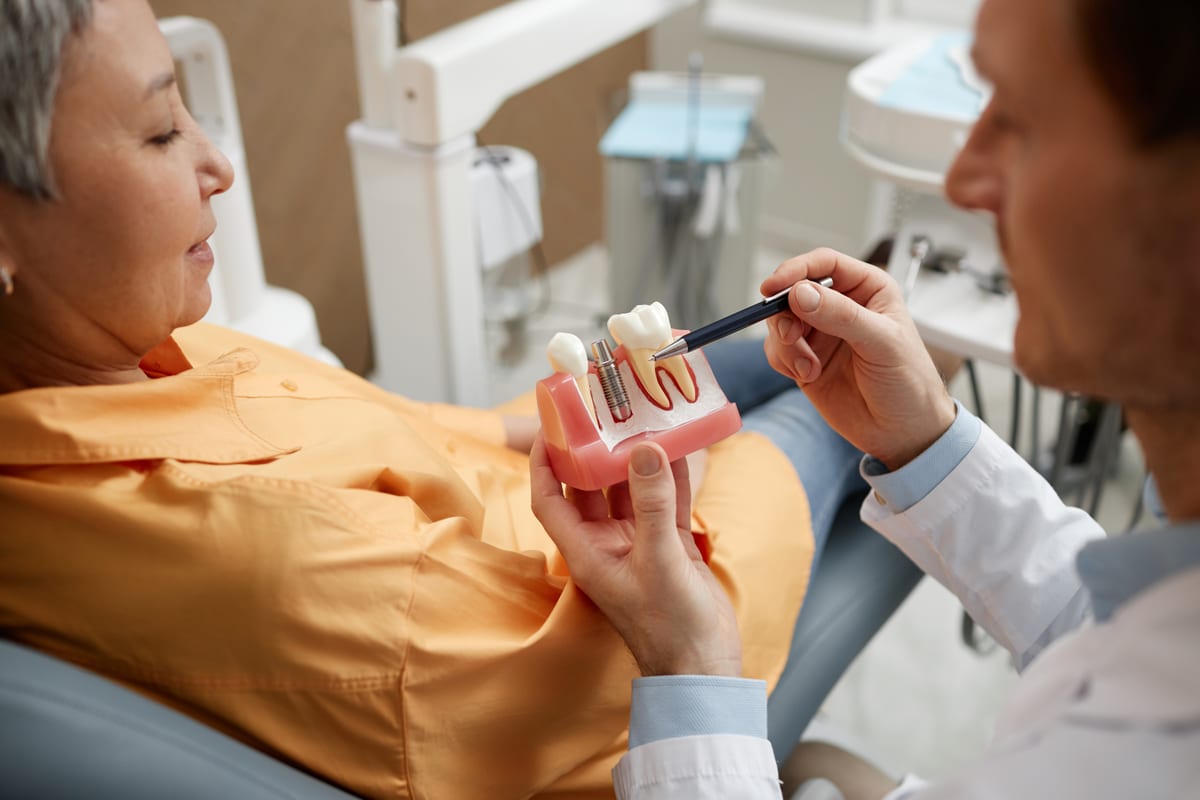
If you've been quoted anywhere between $3,000 and $6,000 for a single dental implant, you already know why finding the best dental insurance for implants feels like a part-time job. The good news: the insurance landscape has shifted noticeably in 2026, with more carriers finally treating implants as a legitimate restorative option rather than a cosmetic luxury. The bad news: the fine print still matters enormously. This guide cuts through the jargon, compares the plans most likely to save you real money, and explains exactly what to look for before you sign up — whether you need one implant or a full-mouth restoration.
Why Most Standard Dental Plans Fall Short for Implants
Traditional dental insurance was designed decades ago around fillings, cleanings, and the occasional crown. Implants simply weren't on the radar, and many plan structures haven't caught up. Understanding the common pitfalls will save you from an expensive surprise after treatment is already underway.
Annual Maximums Are the Biggest Trap
The average annual maximum on a standard dental PPO in 2026 sits around $1,500–$2,000. A single implant — including the implant post, abutment, and crown — typically costs $3,500–$5,500 in most U.S. cities. That means even a plan that claims to cover implants may only offset a fraction of your bill once you hit the annual cap. Some premium plans now offer maximums of $3,000–$5,000 per year, which makes a much more meaningful dent. Always ask for the annual maximum in writing before enrolling.
The "Missing Tooth Clause" Explained
One of the most misunderstood exclusions in dental insurance is the missing tooth clause. If a tooth was already missing before your policy start date, many insurers will refuse to cover any restoration for that tooth — ever. This catches a surprising number of patients off guard. If you're shopping for new coverage specifically to fund an upcoming implant, look for plans that explicitly waive this clause or limit the exclusion period to 12 months.
Top Dental Insurance Plans That Cover Implants in 2026
Not all implant-friendly insurance is created equal. Below are the plan types and carriers consistently rated highest for implant coverage heading into 2026. Actual premium costs vary by state and age, but these figures reflect national averages for a healthy adult.
Delta Dental Premium PPO
Delta Dental remains one of the largest networks in the country, and its Premium PPO tier now covers implants at 50% after a 12-month waiting period, with an annual maximum of up to $2,500 depending on the state plan. Monthly premiums average around $55–$80 for individuals. The wide network makes it easy to find an in-network implant dentist, which keeps your out-of-pocket costs predictable. It's a solid, reliable choice if you can wait out the one-year waiting period.
Cigna Dental 1500 Plan
Cigna's Dental 1500 plan offers a $1,500 annual maximum with major restorative work — including implants — covered at 50% after a 6-month waiting period. It's one of the more affordable premium-to-benefit ratios on the market at roughly $45–$65 per month. For patients needing a single implant and willing to split treatment across two calendar years to effectively double their benefit, this plan offers excellent strategic value.
Spirit Dental & Vision (No Waiting Period Plans)
Spirit Dental is a standout for one key reason: many of its plans carry no waiting period for major services, including implants. Annual maximums range from $1,800 to $5,000 depending on the tier, and coverage kicks in from day one. Premiums are higher — expect $80–$130/month for individuals — but if you need an implant now rather than in 12 months, the math often works out favourably. Spirit also has no missing tooth exclusions on most of its plans, making it a top pick for patients replacing teeth that were lost years ago.
Renaissance Dental
Renaissance offers a high-tier plan with a $3,000 annual maximum and 50% implant coverage after a 12-month waiting period. What sets it apart is the orthodontic-style approach to maximising benefits: patients who plan ahead can strategically time their implant phases — placement in year one, the crown in year two — to draw double the benefit across two policy periods. This kind of benefit stacking is perfectly legitimate and can reduce out-of-pocket costs by $1,500 or more.
Dental Savings Plans: A Powerful Alternative Worth Considering
Dental insurance and dental savings plans are not the same thing, and the distinction matters. A dental savings plan (sometimes called a dental discount plan) is a membership programme — you pay an annual fee of roughly $100–$200 and receive negotiated discounts of 20–60% at participating dentists. There are no annual maximums, no waiting periods, and no claims to file.
When a Savings Plan Beats Insurance
For patients pursuing full-mouth implants, All-on-4, or implant-supported dentures — where total costs can reach $25,000–$50,000 — the annual maximum on even the best insurance plan becomes almost irrelevant. A dental savings plan that shaves 25–40% off a $30,000 All-on-4 case saves far more money than a $2,500 annual insurance maximum ever could. Organisations like the Careington 500 Series and Aetna Dental Access are widely used for this purpose. Many savvy patients actually carry both: a savings plan for the implant work itself and a traditional plan for routine preventive care.
How to Maximise Your Implant Insurance Benefits
Getting the best dental insurance for implants is only half the battle — using it strategically is the other half. Here are the moves that implant patients consistently wish they'd known sooner.
Split Your Treatment Across Two Calendar Years
Most implant procedures have natural phases: implant placement, a healing period, and then the abutment and crown. If you time placement for October or November, your crown can be fitted in January of the following year — giving you access to two full annual maximums for a single implant. On a plan with a $2,000 maximum, that's $4,000 in potential benefits across two policy years, which can cover a significant share of a mid-range implant cost.
Always Verify In-Network Providers First
Going out-of-network with a PPO plan can slash your effective benefit by half. Before selecting an implant dentist, confirm they participate in your specific plan's network — not just the parent carrier's network, which can differ. Call the insurer's member services line and ask them to confirm coverage for CDT codes D6010 (implant body placement), D6057 (abutment), and D2740 (porcelain crown) before any treatment begins.
Questions to Ask Before Choosing a Plan
Shopping for implant-friendly coverage is easier when you know exactly what to ask. Use this checklist with any insurer or broker:
- Does the plan explicitly cover dental implants (CDT code D6010)?
- What is the annual maximum, and does it reset on January 1st or on my policy anniversary?
- Is there a waiting period for major restorative services, and how long is it?
- Does the plan include a missing tooth clause?
- What percentage of implant costs does the plan cover — 50%, less?
- Are there lifetime limits on implant coverage?
A plan that scores well on all six questions is genuinely rare — but they exist, and they're worth paying a slightly higher monthly premium to access.
Frequently Asked Questions
Does dental insurance actually cover implants in 2026?
Yes, but coverage varies widely. More carriers now include implants under major restorative benefits, typically covering 50% of the procedure cost after a waiting period. However, annual maximums often limit total reimbursement to $1,500–$3,000, so patients frequently pay a significant portion out of pocket. Reading the plan's Summary of Benefits for CDT code D6010 is the fastest way to confirm actual implant coverage.
What is the best dental insurance for implants with no waiting period?
Spirit Dental is widely considered the best option for patients who need implant coverage immediately with no waiting period. Some Humana and MetLife plans also offer reduced or waived waiting periods for certain major services. Expect to pay higher premiums for this flexibility — roughly $90–$130 per month for an individual plan.
How much can dental insurance save me on a single implant?
On a $4,500 implant, a plan with a $2,000 annual maximum and 50% coverage for major services could realistically save you $1,000–$2,000, depending on how much of your maximum has already been used for other treatments. Strategic benefit splitting across two calendar years can effectively double that saving.
Are All-on-4 implants covered by dental insurance?
All-on-4 and full-arch implant procedures are sometimes partially covered, but the total treatment cost — often $20,000–$30,000 per arch — almost always far exceeds any annual insurance maximum. For full-mouth restorations, dental savings plans or in-house membership plans offered by implant practices typically deliver greater savings than traditional insurance.
Can I use both dental insurance and a dental savings plan?
Yes, and many patients do. Dental savings plans work independently of insurance and are not considered dual coverage. You can use a savings plan discount to reduce the billed fee, then apply your insurance benefit to the remaining balance — effectively compounding your savings.
Should I wait to get dental insurance before booking my implant consultation?
Not necessarily. Most implant dentists offer free or low-cost consultations and will provide a detailed treatment plan with itemised CDT codes. You can take this document to an insurance broker to compare plans before committing. In fact, knowing the exact procedure codes ahead of time puts you in a much stronger position to evaluate which plan will actually cover your specific treatment.
Conclusion
Navigating dental insurance for implants takes patience, but the potential savings — hundreds to thousands of dollars — make it absolutely worth the effort. Whether you opt for a PPO with a generous annual maximum, a no-waiting-period plan, or a dental savings plan tailored to major restorative work, the right coverage can make the difference between a procedure that feels financially out of reach and one that fits your budget. Start by getting a detailed quote from your implant dentist, then use it to comparison shop plans like a pro. Ready to find a top-rated implant dentist near you and get a real cost estimate? Visit Top5ImplantDentist.com to connect with trusted implant specialists in your area and take the first step toward your new smile with confidence.