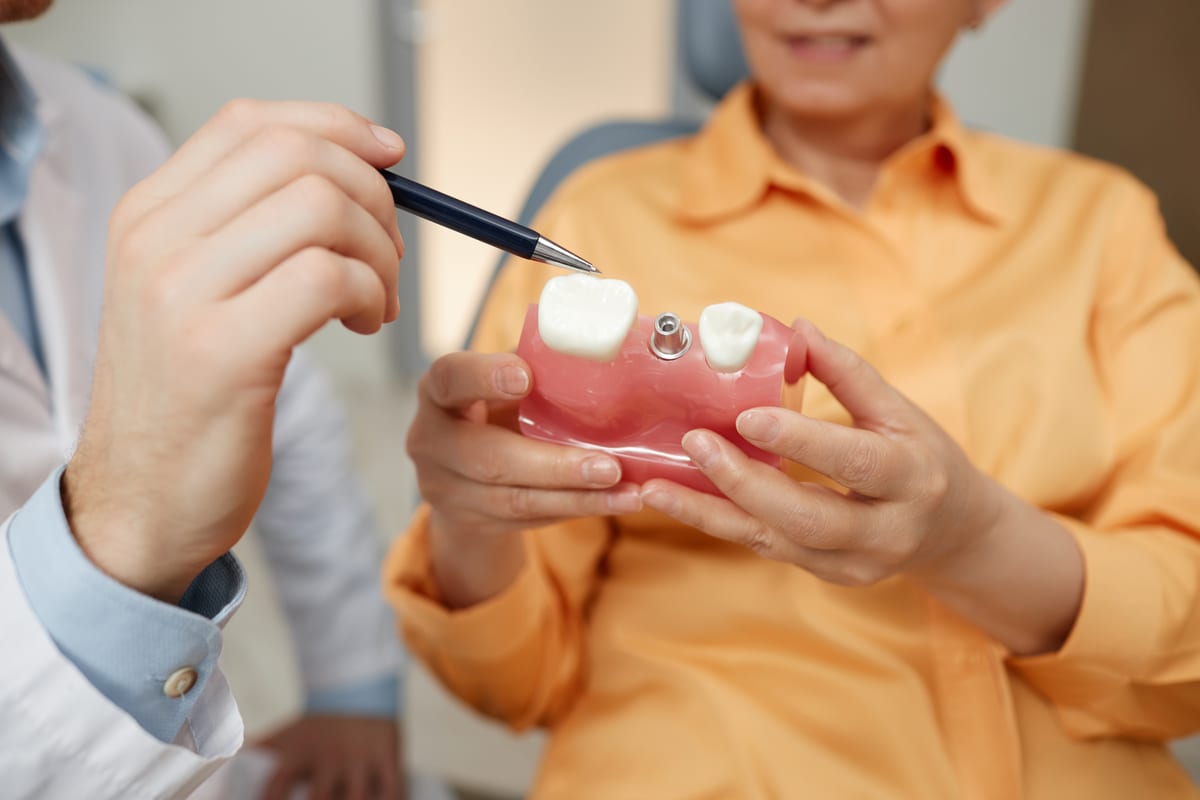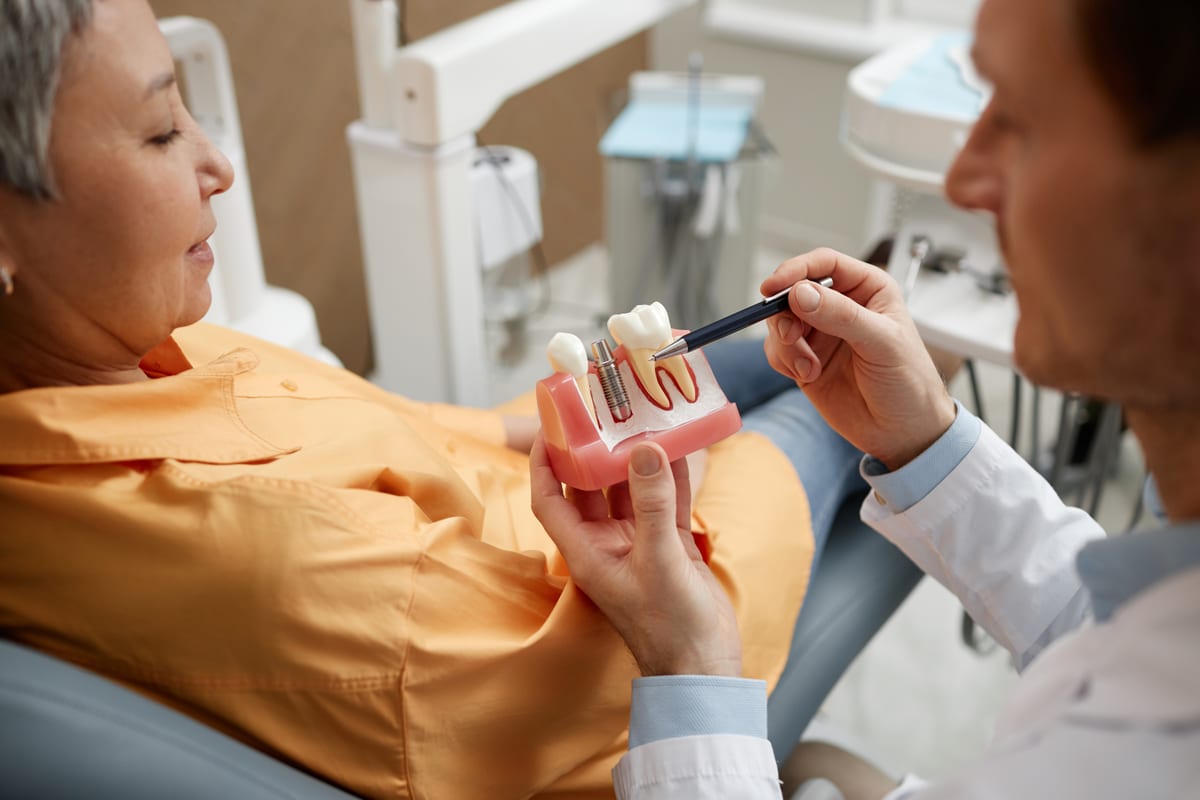
If you're exploring tooth replacement options, one of the first questions you're probably asking is: does dental insurance cover implants? The honest answer is: it depends — and in 2026, the landscape has shifted enough that it's worth a fresh look. More insurers are now offering at least partial coverage for implants than ever before, but gaps, annual maximums, and exclusions still leave many patients paying a significant portion out of pocket. This guide breaks down exactly what to expect from your insurance plan, how to maximize whatever benefits you have, and where to find affordable implant care when coverage falls short.
How Dental Insurance Typically Categorizes Implants
To understand your coverage, you first need to understand how insurance companies classify dental implants. Most traditional dental plans divide procedures into three tiers:
- Preventive care (cleanings, X-rays) — usually covered at 100%
- Basic restorative care (fillings, simple extractions) — typically covered at 70–80%
- Major restorative care (crowns, bridges, dentures, implants) — usually covered at 50%, if at all
Dental implants, when covered, almost always fall into the "major restorative" bucket. That means even with a plan that includes implants, you're likely looking at covering 50% of an eligible cost — and that's before annual maximums kick in.
The Annual Maximum Problem
Here's the catch most patients don't see coming: the vast majority of dental insurance plans cap annual benefits between $1,000 and $2,000 per year. A single dental implant in 2026 averages between $3,500 and $6,000 — including the implant post, abutment, and crown. Even if your plan covers 50% of that, your annual maximum will likely be exhausted long before your implant is fully paid for. Strategic timing across two calendar years can help stretch your benefits, which we'll cover below.
Waiting Periods and Exclusions to Watch For
Many plans impose a waiting period of 6 to 24 months before major procedures are eligible. If you just enrolled in a new plan hoping to use benefits immediately for implants, you may have to wait. Additionally, some plans include explicit implant exclusions — meaning they simply won't cover the procedure under any circumstances. Always request your plan's Summary of Benefits and look for language around "osseointegrated implants," "endosseous implants," or "implant-supported restorations."
What Has Changed for Implant Coverage in 2026
The good news: dental insurance coverage for implants is improving. A growing number of major carriers — including Delta Dental Premier, MetLife, Cigna Dental, and Humana — now offer enhanced or supplemental plans that include implant benefits. Employer-sponsored group plans have also started incorporating implant riders as a recruiting and retention tool.
Here's what's new in 2026 worth knowing:
- Higher annual maximums: Some premium plans now offer annual maximums of $3,000–$5,000, making implant coverage far more realistic.
- Implant-specific riders: You can add implant coverage to some base plans for an additional monthly premium, often $15–$40/month.
- Bundled procedure coverage: More plans now cover the full implant system (post + abutment + crown) rather than just the crown component.
PPO vs. HMO Plans: Which Covers More?
Dental PPO (Preferred Provider Organization) plans generally offer far more flexibility for implant coverage than HMO (Health Maintenance Organization) plans. With a PPO, you can visit any licensed dentist and the plan pays a percentage of the fee, whether or not the provider is in-network (though in-network typically costs less). Dental HMOs usually require you to stay within a closed network and may not include implants in their covered services at all. If dental implants are on your radar, a PPO plan is almost always the better choice.
Which Parts of an Implant Procedure Does Insurance Cover?
Even when a plan covers "dental implants," that coverage is rarely all-encompassing. The implant process involves multiple steps, and insurers may cover some components while excluding others.
What's Typically Covered (at Least Partially)
- The crown (restoration): Most plans that cover implants will cover at least the porcelain or ceramic crown placed on top — since crowns on natural teeth have long been covered.
- Extractions: If you need a tooth pulled before the implant is placed, that's often covered as a basic restorative procedure.
- Pre-surgical X-rays and CT scans: Diagnostic imaging is often covered under preventive or diagnostic benefits.
- Bone grafting: Some plans now cover bone grafting as a medically necessary preparatory procedure — check your plan language carefully.
What's Typically NOT Covered
- The titanium implant post itself (the "root" surgically placed in the jaw)
- The abutment (the connector between post and crown)
- Sedation or anesthesia beyond local anesthetic
- Implant-retained dentures like All-on-4 or full-arch restorations (though this is changing with some premium plans)
How to Maximize Your Insurance Benefits for Dental Implants
Even if your coverage is limited, there are real strategies to reduce what you pay out of pocket for implants.
Straddle Two Calendar Years
This is one of the most powerful and underused strategies. Have your implant post placed in October, November, or December — using up your current year's maximum — then schedule the abutment and crown placement in January of the following year, resetting your annual maximum. This alone can save you $1,000–$2,000 on a single implant.
Pair Insurance with a Dental Savings Plan or FSA/HSA
If your insurance coverage is thin, consider pairing it with a dental savings plan (like Careington or Aetna Dental Access), which offer discounts of 20–50% at participating providers. Additionally, Flexible Spending Accounts (FSAs) and Health Savings Accounts (HSAs) let you pay for implant procedures with pre-tax dollars — effectively reducing your cost by 22–37% depending on your tax bracket. In 2026, the FSA contribution limit is $3,200 and the HSA individual limit is $4,300.
Always Get a Pre-Treatment Estimate
Before any implant procedure begins, ask your dentist to submit a pre-authorization or pre-treatment estimate to your insurer. This is a written estimate of what the insurance company will pay toward your specific treatment plan. It's not a guarantee, but it gives you a clear financial picture before you commit — and avoids surprise bills after the fact.
When Insurance Isn't Enough: Other Ways to Pay for Implants
Even with the best coverage, most patients will have some out-of-pocket costs. Here's where to turn when insurance falls short:
- In-house financing: Many implant dentists offer 0% interest financing through CareCredit or Sunbit for 12–24 months.
- Dental school clinics: Accredited dental school programs perform implants at 40–60% below market rates under licensed supervision.
- Dental tourism: Countries like Mexico, Costa Rica, and Hungary offer implants from $900–$1,800 per tooth from accredited providers — though this comes with travel logistics and follow-up care considerations.
- Discount dental plans: These aren't insurance, but they can be used alongside insurance for additional savings.
Frequently Asked Questions
Does dental insurance cover implants under Medicare?
Traditional Medicare (Parts A and B) does not cover dental implants. However, many Medicare Advantage (Part C) plans include dental benefits, and some now cover implants partially. Review your specific Medicare Advantage plan's dental riders or consider a standalone supplemental dental plan if implants are in your future.
Does Medicaid pay for dental implants?
In most U.S. states, Medicaid does not cover dental implants for adults. A small number of states with expanded dental benefits may cover implants in medically necessary cases (such as following oral cancer treatment), but this is the exception, not the rule. Check your state's specific Medicaid dental benefit schedule.
How much will insurance actually pay toward a dental implant?
On average, if your plan covers implants at all, expect it to pay $500–$1,500 toward a single implant — once your deductible is met and subject to your annual maximum. A plan with a $2,000 maximum covering 50% of a $4,500 implant would pay $1,500 after a $50 deductible — leaving you with roughly $3,050 out of pocket.
Are All-on-4 implants covered by dental insurance?
Coverage for All-on-4 and other full-arch implant systems is rare under standard dental plans. Some premium PPO plans now offer partial coverage for implant-retained dentures, but most patients pursuing full-mouth restoration will need to rely on financing, FSA/HSA funds, or supplemental plans. The total cost of All-on-4 ranges from $20,000–$35,000 per arch in 2026.
Can I get dental insurance specifically for implants?
You cannot typically purchase a plan that covers only implants, but you can purchase enhanced PPO plans or add implant riders to existing plans. Be aware of waiting periods — most plans require 12–24 months before implant benefits kick in, so planning ahead is essential.
Should I choose a dentist based on whether they're in-network?
In-network dentists have agreed to negotiated rates with your insurer, which typically means lower out-of-pocket costs for you. However, implant dentistry is a specialized skill — prioritize finding a qualified, experienced implant specialist first, then verify insurance status. A slightly out-of-network provider with excellent implant outcomes may save you more money (and pain) in the long run than an in-network provider with limited implant experience.
The Bottom Line
So, does dental insurance cover implants in 2026? More plans than ever include at least partial implant benefits — but coverage remains inconsistent, annual maximums are often too low to make a major dent, and the fine print matters enormously. The smartest approach is to review your current plan thoroughly, request a pre-treatment estimate, use every available financial tool (FSA, HSA, payment plans), and strategically time your treatment across benefit years. Don't let insurance limitations be the reason you settle for an inferior tooth replacement option — implants are a long-term investment in your health, function, and confidence.
Ready to find a top-rated implant dentist who can work with your budget and insurance? Visit Top5ImplantDentist.com to compare the best implant specialists in your area and take the first step toward your new smile today.