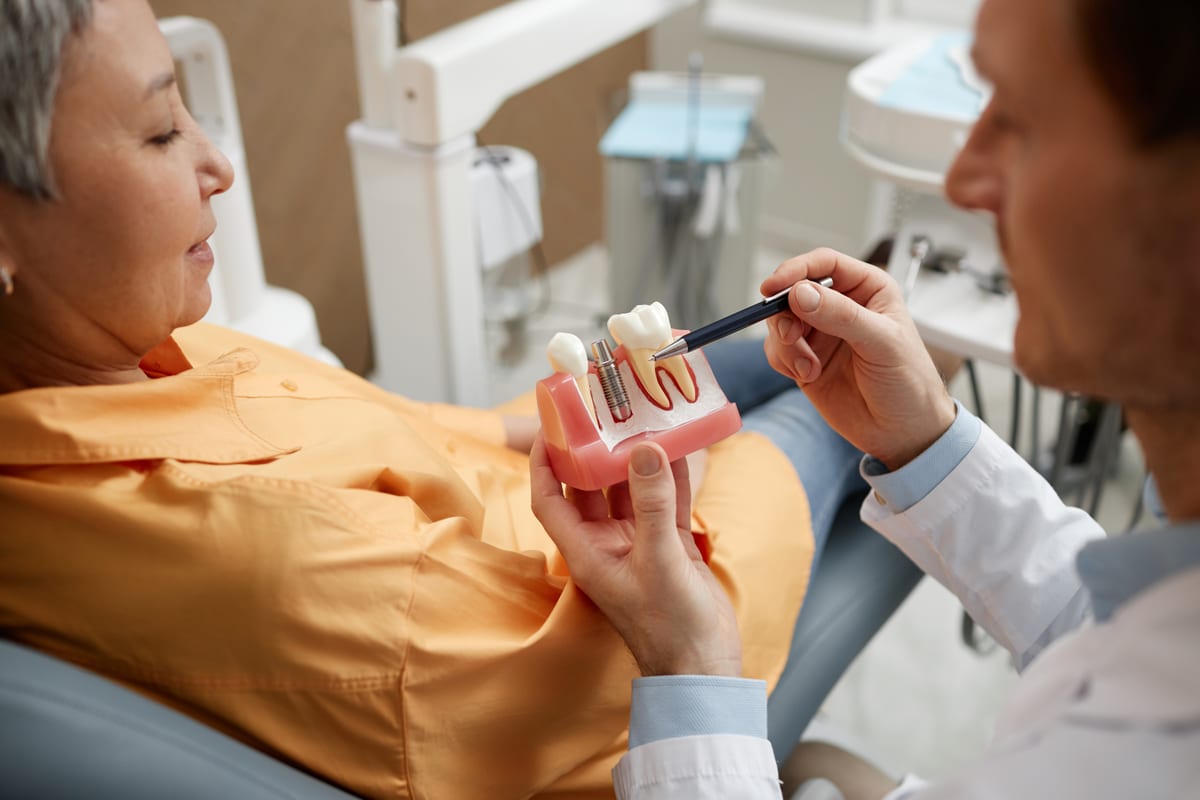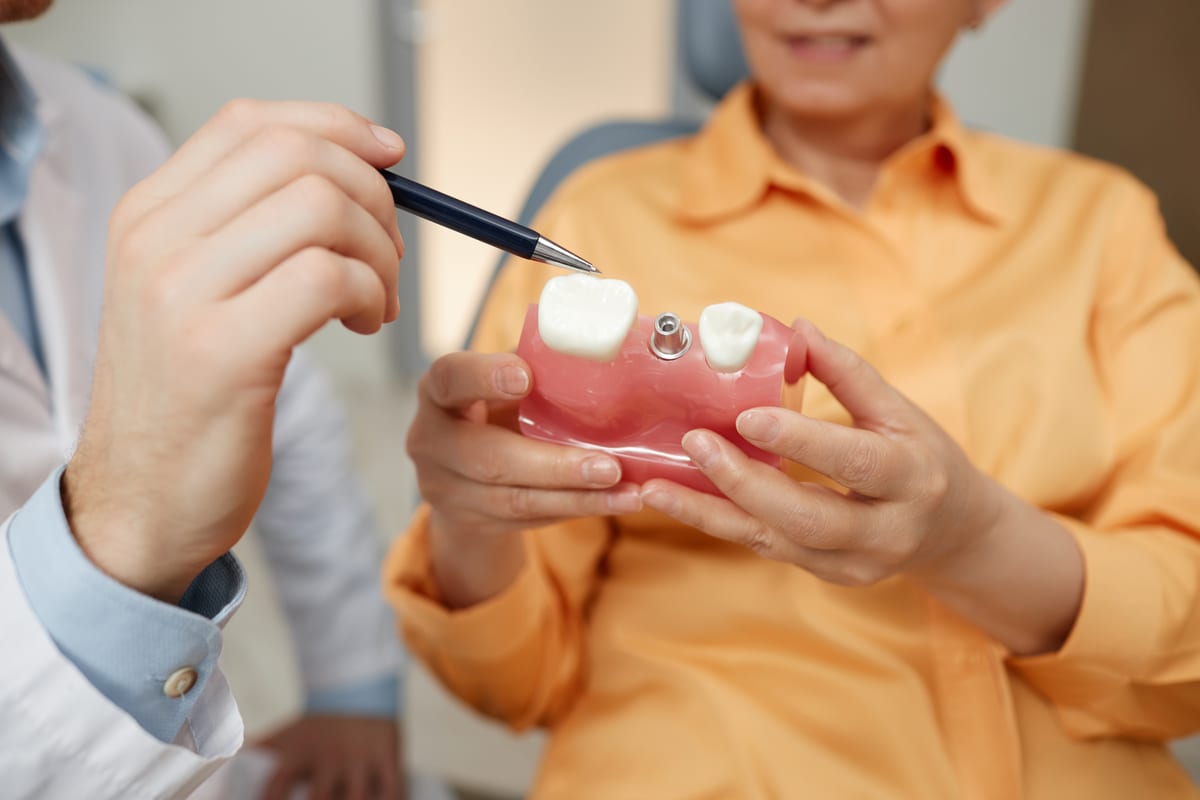
If you're wondering how to finance dental implants no insurance, you're far from alone. In 2026, nearly 68 million Americans remain uninsured for dental care, and even those who do carry coverage often find that implants are excluded or only partially reimbursed. The good news? Missing teeth no longer have to mean missing out on a permanent solution. There are more ways than ever to spread the cost of dental implants, from zero-interest payment plans to charitable grants — and this guide walks you through every realistic option available today.
Understanding the True Cost of Dental Implants in 2026
Before diving into financing, it helps to know exactly what you're budgeting for. A single dental implant in the United States typically costs between $3,000 and $5,500 in 2026, including the titanium post, abutment, and crown. Full-mouth reconstructions — such as All-on-4 implants — range from $20,000 to $50,000 per arch. Same-day implants and other premium options can push that figure higher.
Why Dental Insurance Rarely Covers Implants
Most traditional dental insurance plans classify implants as a "cosmetic" or "elective" procedure, even though they are the closest thing to a natural tooth available. Annual maximums of $1,000–$2,000 barely scratch the surface of implant costs. Some newer, premium insurance plans do offer partial implant coverage — typically 20–50% after a waiting period — but the majority of patients still face a significant out-of-pocket gap. Understanding this gap is the first step to filling it strategically.
Hidden Costs to Factor In
Your financing plan should account for the full picture: bone grafts ($500–$3,000), tooth extractions ($150–$400 per tooth), imaging and X-rays ($100–$350), and any follow-up appointments. Always request an itemised treatment plan from your implant dentist before committing to any financing arrangement.
Dental Payment Plans: The Most Common Financing Route
Most implant dentists offer in-house or third-party payment plans that let you split your total balance into manageable monthly instalments. This is often the first option patients explore when paying for tooth replacement without insurance.
In-House Payment Plans
Some dental practices — particularly private implant specialists — offer their own financing directly. These plans can be flexible and may require no credit check, making them accessible even if your credit score isn't perfect. Typical terms range from 6 to 24 months. Always ask whether interest is charged after a promotional period ends, as deferred interest can inflate your total cost significantly.
Third-Party Dental Financing: CareCredit, Sunbit & LendingClub
Third-party lenders specialising in healthcare financing are a popular bridge for uninsured patients. CareCredit remains the market leader in 2026, offering 6-, 12-, 18-, and 24-month promotional periods with 0% interest if the balance is paid in full. Sunbit approves a reported 85–90% of applicants with no hard credit pull initially and offers plans up to 72 months. LendingClub Patient Solutions extends loans up to $50,000 — useful for full-mouth implant cases — with fixed APRs that make monthly budgeting predictable. Always compare APRs across providers before signing, since rates for longer terms can reach 26.99% or higher.
Personal Loans and Alternative Credit Options
If dental-specific financing doesn't suit your situation, a general personal loan from a bank, credit union, or online lender can fund implant treatment at potentially lower interest rates.
Credit Unions and Community Banks
Credit unions frequently offer personal loans at interest rates well below those of dental-specific lenders — sometimes as low as 7–12% APR for members with good credit. Because credit unions are member-owned, they also tend to be more flexible with applicants who have non-traditional credit histories. If you're not already a member of a credit union, many allow you to join based on your employer, location, or professional association.
0% APR Credit Cards
A 0% introductory APR credit card can be a smart short-term solution if you can realistically pay off the balance before the promotional period — typically 12–21 months — expires. Carrying a balance beyond that point usually triggers standard APRs of 20–29%, so this approach requires disciplined budgeting. Look for cards that also offer cashback or rewards on healthcare purchases to maximise value.
Dental Schools, Discount Plans, and Charitable Programmes
Financing isn't the only way to make implants more affordable. Reducing the sticker price itself can be just as effective — and several legitimate pathways exist for uninsured patients.
Accredited Dental School Clinics
Dental schools accredited by the Commission on Dental Accreditation (CODA) provide implant procedures performed by supervised senior students and post-graduate residents at fees that are typically 40–60% lower than private practice rates. Treatment takes longer due to the teaching environment, but the standard of care is closely monitored. Search for CODA-accredited programmes near you through the American Dental Association directory.
Dental Savings Plans
Unlike insurance, dental savings plans (sometimes called dental discount plans) charge an annual membership fee — usually $80–$200 — in exchange for negotiated discounts of 10–60% at participating dentists. Plans like Careington, Aetna Dental Access, and Cigna Dental Savings are widely accepted. They have no annual maximums, no waiting periods, and no claim forms, making them one of the fastest ways to reduce implant costs starting from day one.
Non-Profit Grants and Assistance Programmes
Several charitable organisations offer free or heavily subsidised dental implants to qualifying patients. Dental Lifeline Network serves people with disabilities, the elderly, and those who are medically fragile. The Oral Health America Smiles Across America programme targets underserved communities. Some implant manufacturers also run patient assistance schemes — ask your dentist whether they work with any such programmes. Eligibility is need-based and competition is high, but for patients in genuine financial hardship these grants can be life-changing.
Employer Benefits, HSAs, and FSAs
Even without traditional dental insurance, you may have access to tax-advantaged accounts that effectively discount the cost of implants.
Health Savings Accounts (HSAs) and Flexible Spending Accounts (FSAs)
If you're enrolled in a high-deductible health plan (HDHP), you can contribute pre-tax dollars to an HSA and use them for dental implant costs — the IRS confirms dental implants qualify as eligible medical expenses. In 2026, the HSA contribution limit is $4,300 for individuals and $8,550 for families. FSAs work similarly but are employer-funded with a use-it-or-lose-it rule. Paying for implants through either account can reduce your effective cost by 22–37% depending on your tax bracket — a meaningful saving on a $4,000+ procedure.
Negotiating a Self-Pay Discount
This step is often overlooked: simply asking your dentist for a self-pay or cash discount. Practices save on insurance administration costs when patients pay directly, and many will pass those savings on — sometimes 5–15% off the total treatment fee. Paying a lump sum upfront, or offering a larger initial deposit, can strengthen your negotiating position further.
Frequently Asked Questions
Can I get dental implants with no insurance and bad credit?
Yes. Options like in-house dental payment plans, Sunbit financing (which has a high approval rate regardless of credit), and dental school clinics do not require excellent credit. Dental savings plans and charitable programmes are also available regardless of credit history.
What is the minimum monthly payment for dental implant financing?
Monthly payments vary widely based on the lender, loan term, and total procedure cost. For a single implant financed at $4,000 over 24 months at 0% APR (promotional CareCredit), that's approximately $167/month. Longer terms lower monthly payments but typically increase total interest paid.
Are dental implants ever covered by medical insurance?
In some cases, yes. If tooth loss is the direct result of an accident, disease (such as oral cancer), or a congenital defect, your medical insurance may cover a portion of the implant procedure. Submit a pre-authorisation request with supporting documentation from your dentist and physician to explore this route.
How long does it take to get approved for dental financing?
Many third-party dental lenders — including CareCredit and Sunbit — offer instant or same-day approval decisions online or at the dental office. Personal loans from banks or credit unions may take 1–5 business days. Having your Social Security number, income information, and employment details ready speeds up the process.
Is it worth financing dental implants instead of getting dentures?
For most patients, yes. Dental implants preserve jawbone, feel and function like natural teeth, and typically last 20–30 years or longer with proper care. Conventional dentures require ongoing adhesive costs, periodic relining ($300–$600 every few years), and full replacement every 5–10 years. Over a lifetime, the total cost difference between implants and dentures narrows considerably — and the quality-of-life advantages of implants are significant.
Can I combine multiple financing options to cover implant costs?
Absolutely. Many patients use a combination approach: for example, applying an HSA or FSA balance to reduce the financed amount, then using a 0% APR CareCredit plan for the remainder, and negotiating a self-pay discount on top. Stacking these strategies is one of the most effective ways to minimise out-of-pocket costs.
Making Your Decision: Next Steps
Losing a tooth — or several — doesn't have to mean settling for a lifetime of dentures or gaps in your smile. As this guide shows, knowing how to finance dental implants no insurance is really about knowing which combination of options fits your income, credit profile, and timeline. Start by requesting a full itemised treatment plan from a qualified implant dentist, compare at least two or three financing sources, and explore discount and grant programmes running alongside. The path to a permanent, natural-looking smile is more accessible in 2026 than it has ever been.
Ready to find a top-rated implant dentist near you and get a personalised cost estimate? Visit Top5ImplantDentist.com to compare the best implant specialists in your area — with transparent pricing and patient reviews to help you make a confident, informed choice.