If you're missing most or all of your teeth and exploring your options, understanding the full mouth dental implants cost is likely your first — and most pressing — question. In 2026, prices vary widely depending on your location, the type of implant system chosen, and the experience of your dental provider. This guide cuts through the confusion, giving you a clear, honest breakdown of what you can expect to pay, what drives those costs up or down, and how to make tooth replacement genuinely affordable. Whether you're comparing All-on-4, All-on-6, or individual implants for each tooth, read on before you make any decisions.
What Does a Full Mouth Dental Implant Procedure Actually Involve?
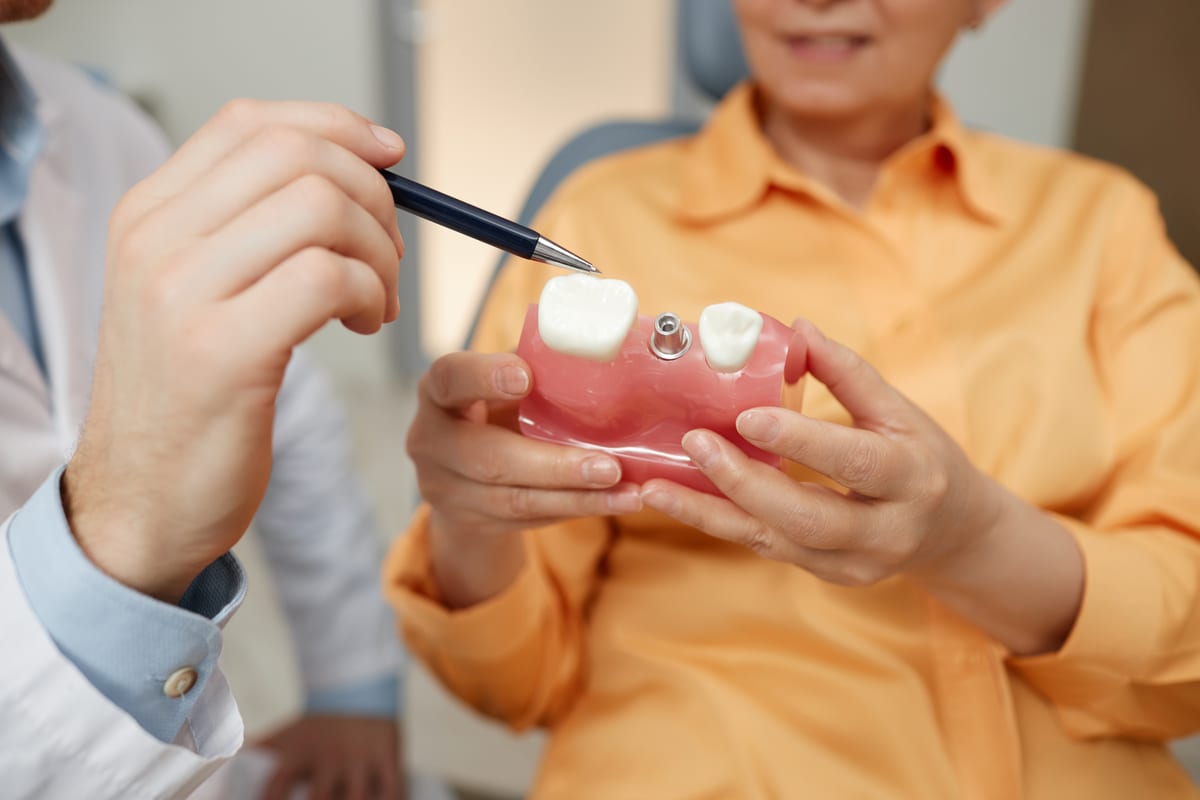
A full mouth dental implant procedure replaces all of your upper teeth, lower teeth, or both arches using a fixed implant-supported restoration. Unlike traditional dentures that sit on your gums, implant-supported full arch restorations are anchored directly into your jawbone — giving you a stable, natural-feeling bite and preserving bone structure over time.
There are two broad approaches dentists use in 2026:
- Implant-supported full arch bridges — A fixed prosthetic arch supported by four to eight implant posts (the basis of systems like All-on-4 and All-on-6).
- Individual implants for every tooth — A separate implant post and crown for each missing tooth, which offers the most natural result but at a significantly higher price.
What's Included in the Price?
A comprehensive full mouth implant quote should include: initial consultations and 3D CBCT imaging, any required extractions, bone grafting if needed, implant placement surgery, the abutments, and the final prosthetic teeth. Always ask for an itemised treatment plan — hidden fees for imaging or temporary prosthetics can add $1,000–$3,000 to an initial estimate.
Full Mouth Dental Implants Cost in 2026: Price Ranges by Type
The full mouth dental implants cost in 2026 is not a single number — it's a spectrum. Here's what patients are realistically paying across the United States this year:
All-on-4 Dental Implants
All-on-4 is the most widely performed full-arch solution. Four implant posts are strategically angled to support a complete arch of fixed teeth — often delivered on the same day as surgery (commonly marketed as "same-day teeth" or "teeth in a day").
- Per arch cost: $20,000 – $30,000
- Full mouth (both arches): $40,000 – $60,000
These figures reflect a mid-range U.S. provider using quality materials. Premium implant centers in major cities like New York or Los Angeles may charge $65,000–$75,000 for both arches, while some dental groups in smaller markets price All-on-4 from $25,000–$35,000 per full mouth.
All-on-6 and Full Arch with More Implants
All-on-6 uses six implant posts per arch, providing greater stability — particularly useful for patients with higher bite forces or those who've experienced some bone loss. The added implants raise the price modestly:
- Per arch cost: $24,000 – $35,000
- Full mouth (both arches): $48,000 – $70,000
Individual Implants for a Full Mouth
Replacing every tooth individually with its own implant post and crown delivers the most lifelike result but is the most expensive pathway. A single dental implant costs $3,000–$5,500 on average in 2026. For a full set of 28 teeth, you're theoretically looking at $84,000–$154,000 — though most patients opt for full arch bridges instead.
Key Factors That Affect the Total Cost
Understanding why two patients with similar needs receive very different quotes for full arch implant treatment helps you evaluate proposals more critically.
Bone Grafting and Pre-Surgical Procedures
One of the most common cost add-ons is bone grafting. If you've worn dentures for years or lost teeth due to periodontal disease, your jawbone may have deteriorated. Bone grafting is often required before implants can be placed and can add $500–$3,000 per grafting site. Sinus lifts — needed when placing upper jaw implants in patients with low sinus floors — can add another $1,500–$5,000.
Implant Materials and Prosthetic Quality
Not all implants are created equal. FDA-cleared titanium implants from established brands like Straumann, Nobel Biocare, or Zimmer Biomet carry a higher material cost than lesser-known alternatives — but they also bring decades of clinical data backing their long-term success rates (generally 95%+ over 10 years). The prosthetic arch material matters too: zirconia is stronger and more natural-looking than acrylic, and typically adds $3,000–$6,000 per arch to the total cost.
Geographic Location and Provider Experience
Location is one of the biggest pricing variables. A full mouth implant case in Manhattan or San Francisco can cost 30–40% more than the same procedure performed in Phoenix, Nashville, or a suburban dental implant center. Similarly, an oral surgeon or prosthodontist with 15+ years of implant experience may charge a premium — but the investment in expertise often translates to fewer complications and better long-term outcomes.
Financing and Making Full Mouth Implants Affordable
The sticker price on full mouth dental implant treatment can feel overwhelming, but most patients don't pay out-of-pocket all at once. Here's how to make this investment manageable in 2026.
Dental Insurance
Traditional dental insurance rarely covers the full cost of implants, but coverage is improving. In 2026, many PPO plans cover a portion of the restorative component (the crown or prosthetic arch) — typically $1,000–$3,000 per year toward implant-related treatment. Some medical insurance plans may contribute if tooth loss resulted from an accident or medical condition. Always verify your benefits before assuming you have no coverage.
In-House Financing and Third-Party Lenders
The majority of implant dental practices offer in-house payment plans or partner with third-party healthcare financing companies such as CareCredit, Sunbit, or LendingClub Patient Solutions. Many promotional offers include 0% interest for 12–24 months if you qualify. On a $45,000 full mouth case spread over 24 months, that's roughly $1,875 per month — still significant, but achievable for many households. Always read the fine print; deferred interest plans can be costly if you don't pay in full before the promotional period ends.
Dental Schools and Group Practices
Accredited dental school implant clinics can perform full arch procedures at 30–50% below private practice rates, supervised by experienced faculty. Larger dental group practices sometimes offer competitive pricing through economies of scale. These are legitimate cost-reduction strategies — just expect longer appointment times at dental schools.
Is the Investment Worth It? Long-Term Value of Full Mouth Implants
When evaluating the full mouth dental implant cost, it's worth comparing the lifetime economics against alternatives. Traditional removable dentures may cost only $1,500–$3,500 upfront, but they require relining, replacement every 5–8 years, adhesives, and can accelerate bone loss — adding ongoing costs and quality-of-life compromises. Implant-supported full arch restorations, with proper care, can last 20–30 years or longer. Most patients who make the switch report dramatic improvements in confidence, eating ability, and overall quality of life — outcomes that are difficult to put a price on.
Frequently Asked Questions
What is the average full mouth dental implants cost in the US in 2026?
In 2026, the average cost for full mouth dental implants (both upper and lower arches) in the United States ranges from $40,000 to $70,000 using an All-on-4 or All-on-6 system. Costs vary based on location, materials, provider experience, and whether additional procedures like bone grafting are required.
Does dental insurance cover full mouth dental implants?
Most dental insurance plans provide limited coverage for implants — typically covering a portion of the restoration (crown or arch) up to your annual maximum, which is often $1,000–$3,000. Medical insurance may contribute in specific circumstances, such as tooth loss due to injury or certain medical conditions. It's always worth submitting a pre-authorisation request to understand your benefits before proceeding.
How long does the full mouth implant process take?
With same-day implant systems like All-on-4, patients receive a functional provisional set of teeth on the day of surgery. However, the full treatment timeline — from initial consultation to placement of the final permanent arch — typically ranges from 3 to 9 months, depending on whether bone grafting is needed and how quickly osseointegration (bone fusion) occurs.
Are full mouth dental implants painful?
The surgery is performed under local anaesthesia and often with IV sedation, so patients feel little to nothing during the procedure. Post-operative discomfort is normal for 3–7 days and is managed with prescription or over-the-counter pain relievers. Most patients find the recovery far more manageable than they anticipated.
What's the difference between All-on-4 and All-on-6?
Both systems use a fixed prosthetic arch, but All-on-6 uses six implant posts instead of four, providing additional support. All-on-6 is often recommended for patients with greater bone density who want added security, particularly in the upper jaw where bone is naturally less dense. The cost difference is typically $4,000–$10,000 per arch.
Can I get full mouth dental implants if I have bone loss?
Yes, in most cases. Bone grafting or a sinus lift procedure can restore sufficient bone volume to support implants. Alternatively, All-on-4 uses angled implants that are specifically designed to avoid areas of poor bone quality, often eliminating the need for grafting altogether. A 3D CBCT scan will determine your candidacy during the consultation.
Conclusion
The full mouth dental implants cost in 2026 is a significant investment — but for millions of people, it's one that transforms daily life. With All-on-4 options starting around $20,000 per arch and financing plans making treatment more accessible than ever, a permanent, natural-looking smile is within reach for more patients than you might think. The key is finding a qualified, experienced implant dentist who offers transparent pricing and a comprehensive treatment plan tailored to your unique needs. Ready to take the next step? Visit Top5ImplantDentist.com to compare top-rated implant dentists in your area and request a free cost estimate today.