If you've been putting off replacing a missing tooth, you're probably asking yourself: how much do dental implants cost — and is it really worth it? The honest answer is that prices vary widely depending on your location, the number of teeth being replaced, your oral health, and the type of implant procedure you need. In 2026, a single dental implant typically costs between $1,500 and $6,000, but full-mouth solutions can run significantly higher. This guide breaks everything down so you can walk into any dentist's office prepared, confident, and ready to ask the right questions.
What Factors Determine Dental Implant Costs?
Dental implant pricing isn't one-size-fits-all. Several variables interact to produce the final number on your treatment plan, and understanding them helps you compare quotes fairly and avoid surprise charges.
The Implant Components Themselves
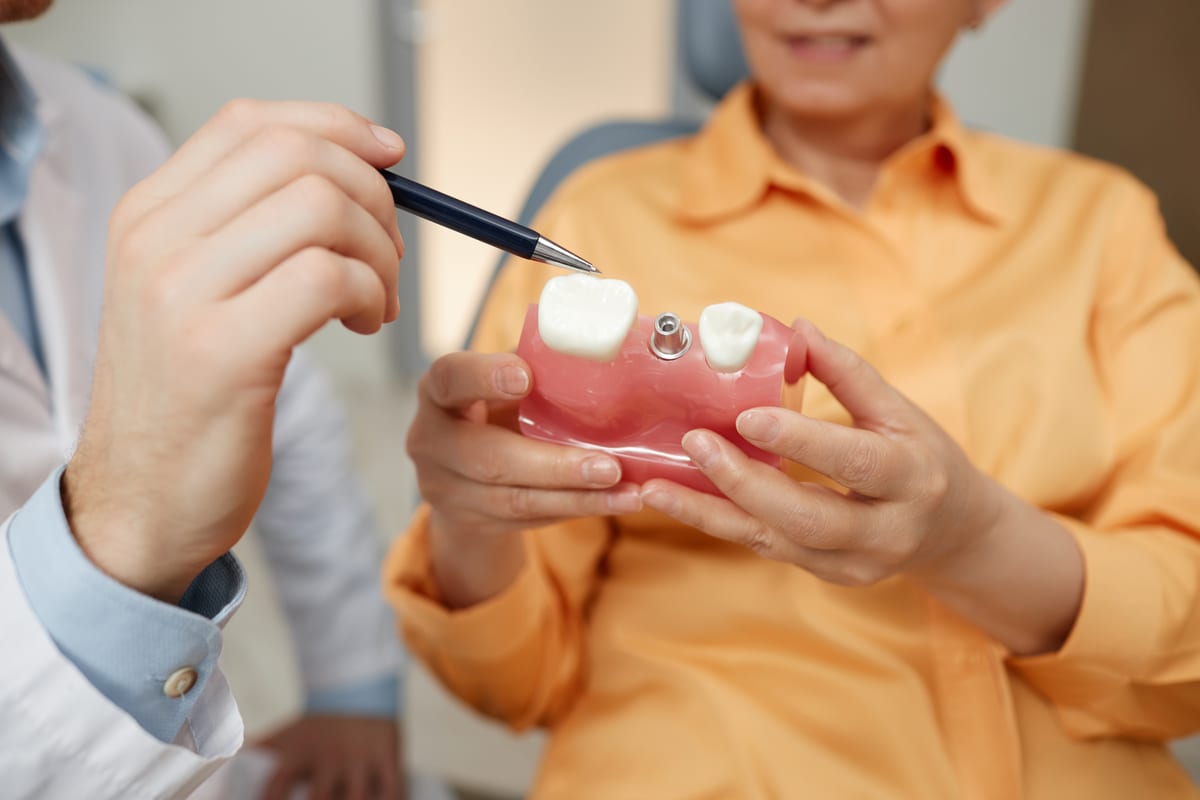
A complete implant system has three distinct parts, each priced separately:
- The implant post — a titanium or zirconia screw surgically placed into your jawbone. Cost: $1,000–$2,500.
- The abutment — a connector piece that links the post to the visible crown. Cost: $300–$700.
- The dental crown — the tooth-shaped cap that restores your smile. Cost: $1,000–$2,000.
When you see a single-implant quote of $3,000–$5,000, that typically bundles all three components plus surgeon fees and imaging. Always ask your provider for an itemised breakdown so you know exactly what's included.
Additional Procedures That Affect the Total
Many patients require preparatory work before implant placement, which adds to the overall investment:
- Bone grafting: $300–$3,000+ depending on the volume needed. Required when jaw density is insufficient to anchor the post.
- Tooth extraction: $150–$400 per tooth if the damaged tooth is still present.
- Sinus lift: $1,500–$5,000 for upper jaw implants when sinus cavities sit too low.
- CT scans and 3D imaging: $150–$500, used to plan precise implant placement.
These add-ons are not upsells — they are medically necessary steps that protect your long-term results. Skipping them to save money now often leads to implant failure and far higher costs down the road.
Dental Implant Cost by Treatment Type in 2026
The total cost of tooth replacement with implants depends heavily on how many teeth you need to replace and which solution your dentist recommends.
Single Tooth Implant
The most common scenario. A single dental implant — post, abutment, and crown — costs an average of $3,000–$5,500 in the United States in 2026. Urban markets like New York, Los Angeles, and Chicago tend to sit at the higher end, while rural or Midwestern practices can be 20–30% lower for equivalent quality.
Implant-Supported Bridge
When two or more adjacent teeth are missing, an implant-supported bridge uses two implants to anchor a multi-unit restoration. Expect to pay $5,000–$16,000 depending on the number of missing teeth and materials used. This is more cost-effective per tooth than placing individual implants for every gap.
All-on-4 and Full-Mouth Implants
Full-arch restoration has become one of the fastest-growing implant treatments. The All-on-4 technique uses just four strategically angled implants to support a complete arch of teeth. In 2026, pricing looks like this:
- All-on-4 (one arch): $15,000–$30,000
- All-on-4 (both arches / full mouth): $25,000–$55,000
- All-on-6 (one arch, extra stability): $20,000–$35,000
Same-day implants — also marketed as Teeth in a Day — fall into this category. A temporary full arch is fitted the same day as surgery, with the permanent prosthesis placed months later once osseointegration is complete. This convenience adds a modest premium but appeals strongly to patients who can't tolerate a prolonged gap in their smile.
Does Dental Insurance Cover Implants?
This is one of the most commonly searched questions about implant dentistry — and the answer is nuanced. Traditionally, most dental insurance plans categorised implants as "cosmetic" and excluded them entirely. That is changing in 2026, but slowly.
What Insurance Typically Covers
Many major dental plans now offer partial coverage for implant-related procedures. Here's what you might realistically expect:
- The crown portion: Some plans cover 50% of the crown cost, treating it like a standard restoration.
- Extractions and bone grafts: Often partially covered under basic or major services.
- Diagnostic imaging: Frequently covered up to an annual maximum.
The implant post itself remains the most difficult component to get covered. Annual maximums — typically $1,000–$2,000 — can also limit how much relief insurance actually provides for a $4,000+ procedure. Always request a pre-treatment estimate from your insurer before committing to a treatment plan.
Alternative Coverage Options
If your current plan falls short, consider these strategies:
- Dental discount plans: Membership-based programs (e.g., DentalPlans.com networks) offer 10–60% savings in exchange for an annual fee of $80–$200. No waiting periods, no claim rejections.
- FSA / HSA accounts: Dental implants are an IRS-approved eligible expense. Using pre-tax dollars can save you 20–37% depending on your tax bracket.
- Employer supplemental plans: Some employers now offer richer dental riders specifically covering implants. Review your open-enrollment options carefully each year.
Financing Options: Making Implants Affordable
Even with insurance, most patients carry some out-of-pocket cost for implants. The good news is that the dental financing landscape in 2026 offers more flexible options than ever before.
In-Office Payment Plans
Many implant practices now offer their own 0% interest installment plans for qualified patients — spreading a $4,000 implant over 12–18 monthly payments of roughly $220–$333 per month. Ask specifically about in-house plans during your consultation, as these don't appear on the practice's public website.
Third-Party Dental Financing
- CareCredit: The most widely accepted dental financing card. Offers 6–24 month deferred-interest promotions and longer extended plans at fixed APRs. Available at thousands of implant practices nationwide.
- Sunbit: A newer buy-now-pay-later option growing rapidly in dental offices. Approval rates are high, and terms range from 3–72 months.
- LendingClub Patient Solutions: Personal loan-style financing with fixed rates, no prepayment penalties, and loan amounts up to $50,000 — suitable for full-mouth implant cases.
A practical tip: apply for financing before your consultation so you know your budget ceiling. This prevents sticker shock and lets you focus the appointment on clinical decisions rather than financial ones.
How to Save Money on Dental Implants Without Sacrificing Quality
Cost is a legitimate concern, but the wrong shortcut can turn a $3,000 implant into a $10,000 problem. Here's how to reduce costs the smart way.
Compare Multiple Consultations
Most reputable implant dentists offer free or low-cost initial consultations. Get at least two to three quotes from board-certified oral surgeons or periodontists in your area. Prices for identical procedures can vary by $1,000–$2,000 in the same city. A lower price isn't automatically a red flag — but always verify credentials, reviews, and implant brand quality.
Consider Dental Schools and Teaching Clinics
Accredited dental schools offer implant procedures performed by supervised advanced students and residents at 40–70% below private practice rates. Treatment timelines are longer, but the quality oversight is rigorous. Major universities with dental schools — NYU, UCLA, University of Michigan — all offer these programs. Search "[your city] dental school implant clinic" to find local options.
Look Into Dental Tourism Carefully
Dental tourism — travelling to Mexico, Costa Rica, Hungary, or Thailand for implants — can cut costs by 50–70%. However, it carries real risks: limited recourse if something goes wrong, difficulty managing complications at home, and variability in sterilisation and material standards. If you explore this route, research the clinic thoroughly, verify implant brands used, and ensure you have a domestic dentist willing to handle follow-up care.
Prioritise Bone Health Now
The longer you wait after losing a tooth, the more jaw bone you lose — and bone grafting is expensive. Acting promptly after tooth loss can eliminate the need for grafting entirely, potentially saving you $1,000–$3,000 on your total treatment cost.
Frequently Asked Questions
How much does a single dental implant cost in 2026?
A single tooth implant including the post, abutment, and crown costs between $3,000 and $5,500 on average in the US in 2026. Prices vary based on geographic location, the dentist's experience level, implant brand, and whether any preparatory procedures like bone grafting are required.
Is it worth getting dental implants over cheaper alternatives?
For most patients, yes. Dental implants are the only tooth replacement option that preserves jaw bone, looks and functions like a natural tooth, and can last a lifetime with proper care. Dentures and bridges typically need replacement every 5–15 years, so the long-term cost difference narrows considerably over decades of use.
Does Medicare or Medicaid cover dental implants?
Traditional Medicare (Parts A and B) does not cover dental implants. Some Medicare Advantage (Part C) plans include dental benefits that may partially cover implants — review your plan's Schedule of Benefits carefully. Medicaid coverage varies by state; a small number of states include implants under specific medical necessity criteria, but most do not.
How long do dental implants last?
The titanium implant post, once fully integrated with the jaw bone, can last a lifetime. The crown placed on top typically lasts 15–25 years before needing replacement due to normal wear. Proper oral hygiene, regular dental check-ups, and avoiding habits like teeth grinding dramatically extend implant lifespan.
What is the cheapest way to get dental implants?
The most cost-effective legitimate options include: dental school teaching clinics (40–70% savings), membership discount dental plans, using FSA/HSA pre-tax funds, and obtaining multiple consultation quotes. Avoid unlicensed providers or clinics that can't verify the brand and quality of their implant components.
How long does the dental implant process take from start to finish?
The full implant process typically takes 3 to 9 months from the initial consultation to your final crown placement. The longest phase is osseointegration — the period where the titanium post fuses with your jaw bone — which takes 3–6 months. Same-day implants compress parts of this timeline, but the biological healing phase cannot be rushed.
Conclusion
Understanding dental implant costs empowers you to make a confident, informed decision rather than delaying treatment out of uncertainty. In 2026, prices range from around $3,000 for a single implant to $55,000 or more for full-mouth restoration — but financing, insurance coordination, and smart provider selection can make even the most comprehensive treatment plan manageable. The real cost of doing nothing, meanwhile, is an ongoing cycle of bone loss, shifting teeth, and diminishing quality of life that only grows more expensive to address over time. Ready to find a top-rated implant dentist near you and get a real quote tailored to your situation? Start your search today at Top5ImplantDentist.com — where we connect patients with the most trusted, verified implant specialists across the country.