If you've been researching tooth replacement options, you've probably already asked yourself: what is the single tooth implant cost, and can I actually afford it? In 2026, the national average for a complete single dental implant sits between $3,000 and $6,000 — but that wide range can feel confusing without context. The truth is, the final price you pay depends on several distinct components, your geographic location, the materials chosen, and whether preparatory procedures are needed. This guide breaks down every dollar so you can walk into any dental consultation fully informed and ready to make the best decision for your smile and your budget.
What Does a Single Tooth Implant Actually Include?
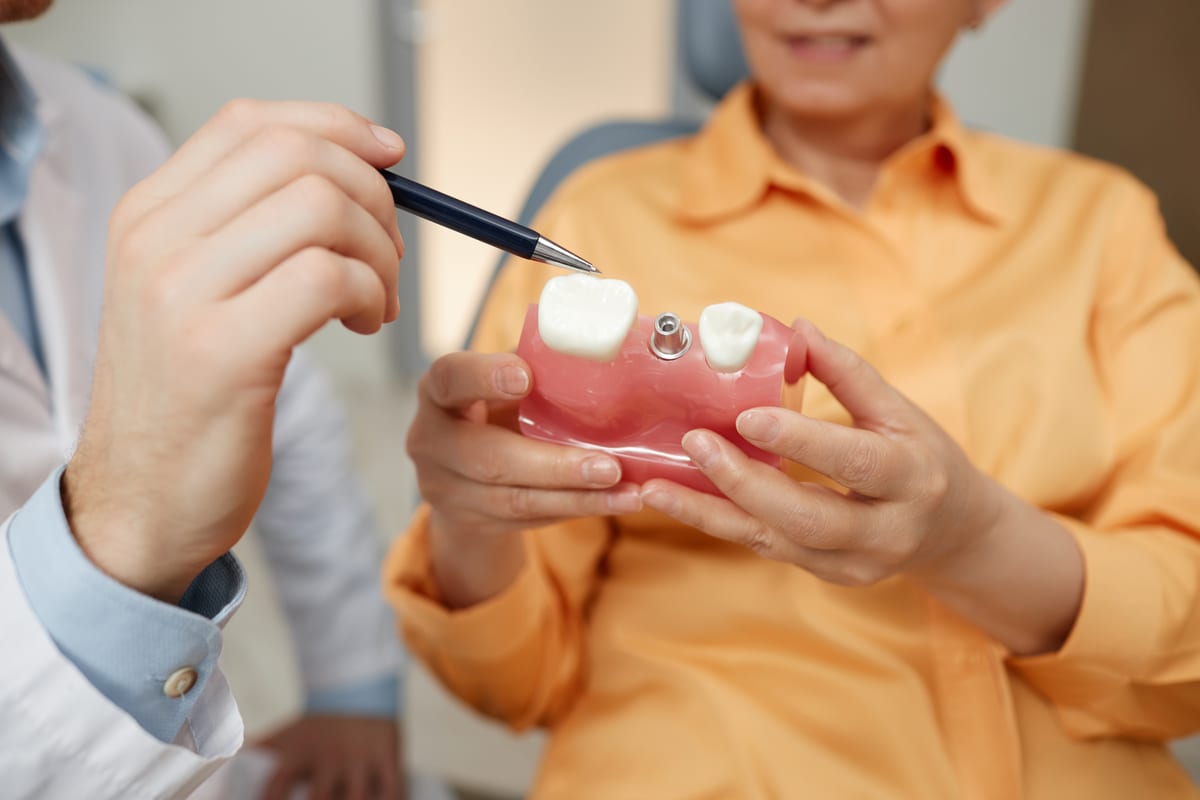
One of the most common misconceptions about dental implant pricing is treating it as a single line item. In reality, a complete implant restoration is made up of three separate components — and each one carries its own cost.
The Three Core Components
- Implant Post (Titanium Fixture): The screw-like post surgically placed into your jawbone. This typically costs between $1,500 and $2,500 on its own and is the foundation of the entire restoration.
- Abutment: The connector piece that links the implant post to the crown. Abutments generally range from $300 to $500 and may be included in some practices' bundled pricing.
- Dental Crown: The visible, tooth-shaped cap placed on top. Depending on the material — porcelain, zirconia, or porcelain-fused-to-metal — crowns typically add $1,000 to $2,000 to the total.
When you add these together, the base cost for a single tooth implant in 2026 lands in the $2,800 to $5,000 range before any additional procedures are factored in.
Pre-Procedure Costs Often Overlooked
Beyond the implant itself, your treatment plan may include fees that many patients don't anticipate:
- Initial consultation and X-rays: $75–$250 (though many implant dentists offer free consultations)
- 3D CT scan (CBCT): $150–$500 — essential for precise implant placement
- Tooth extraction (if needed): $150–$350 per tooth
- Bone graft: $200–$3,200 depending on the graft size and material used
- Sinus lift (upper jaw cases): $1,500–$5,000
If bone grafting or a sinus lift is required, your total single tooth implant cost can climb to $8,000 or more. Always ask for an itemized estimate during your consultation.
How Location Affects Single Tooth Implant Pricing
Where you live plays a surprisingly significant role in what you'll pay for dental implants. Overhead costs, cost of living, and local market competition all influence what implant dentists charge.
Average Costs by Region in 2026
Here's a general snapshot of how single tooth implant costs vary across the United States in 2026:
- Northeast (e.g., New York, Boston): $4,500–$7,000+
- West Coast (e.g., Los Angeles, San Francisco): $4,000–$6,500
- Midwest (e.g., Chicago, Columbus): $3,000–$5,000
- South (e.g., Houston, Atlanta): $2,800–$4,800
- Rural areas nationwide: $2,500–$4,000
Dental tourism is also a growing trend. Countries like Mexico, Costa Rica, and Hungary offer implant procedures at 40–70% less than U.S. prices — but always weigh the risks of follow-up care and warranty support before traveling abroad for treatment.
Does Dental Insurance Cover Single Tooth Implants?
Insurance coverage for dental implants has improved meaningfully over the past few years, but it remains inconsistent. As of 2026, roughly 40–50% of dental insurance plans offer some level of implant coverage — up from just 20% a decade ago.
What Insurance Typically Covers
Most plans that do cover implants will only cover a portion of the total cost. Common coverage scenarios include:
- The dental crown may be covered as a major restorative procedure (50% after deductible, up to annual maximum)
- Tooth extraction is often covered at 80% under basic restorative benefits
- The implant post and surgical placement are frequently classified as not medically necessary and excluded
The average annual dental insurance maximum is $1,000–$2,000, which often doesn't stretch far enough to cover a full implant. However, pairing insurance with a dental discount plan or an in-house membership plan at your dentist's office can significantly reduce your out-of-pocket cost.
Financing and Payment Plans
The good news: most reputable implant dentists offer flexible financing. Options to ask about include:
- CareCredit or Alphaeon Credit: Third-party healthcare financing with 0% promotional periods of 6–24 months
- In-house payment plans: Spread costs over 12–36 months directly with the practice
- FSA/HSA funds: Dental implants qualify as eligible medical expenses under most Flexible Spending and Health Savings Accounts
Breaking a $4,500 implant into 24 monthly payments at 0% interest brings it down to roughly $187 per month — a much more manageable figure for most budgets.
Implant Materials: How Your Crown Choice Affects the Price
Not all implant crowns are created equal. The material your dentist uses for the visible crown portion has a direct impact on both aesthetics and cost.
Crown Material Comparison
- Porcelain-fused-to-metal (PFM): $800–$1,400 — durable and natural-looking, but the metal base can show at the gumline over time
- All-ceramic / all-porcelain: $1,000–$1,800 — excellent aesthetics, ideal for front teeth
- Zirconia: $1,200–$2,000 — the gold standard in 2026; exceptionally strong, biocompatible, and lifelike
- Porcelain-fused-to-zirconia: $1,100–$1,900 — combines the strength of zirconia with layered porcelain for superior color matching
For most patients replacing a visible front tooth, zirconia or all-ceramic crowns are worth the investment. For back molars that bear heavy chewing load, zirconia's superior strength makes it the preferred choice by most implant dentists in 2026.
Is a Single Tooth Implant Worth the Cost?
When patients compare the single tooth implant cost to alternatives like dental bridges or partial dentures, the implant almost always wins on long-term value. Here's why:
- Dental bridges average $3,000–$5,000 but require grinding down healthy adjacent teeth and typically last 10–15 years before needing replacement
- Partial dentures cost $1,500–$3,000 but are removable, less stable, and don't prevent jawbone loss
- Dental implants last 25+ years (often a lifetime) with proper care, preserve jawbone density, and function exactly like a natural tooth
When you spread a $4,500 implant cost over 25 years, you're paying roughly $180 per year for a permanent, natural-feeling tooth. That's exceptional value compared to the ongoing costs and limitations of alternatives.
Frequently Asked Questions
How much does a single tooth implant cost with insurance?
With insurance coverage, your out-of-pocket single tooth implant cost typically drops by $500 to $1,500, depending on your plan's annual maximum and what components are covered. The crown is most commonly the covered portion. Always request a pre-authorization from your insurance provider before treatment begins so you know exactly what's included.
Is there a cheaper alternative to a single dental implant?
Yes — dental bridges and partial dentures cost less upfront. However, they come with long-term trade-offs including jawbone loss, damage to neighboring teeth (bridges), and lower comfort (dentures). For most patients in good health, an implant is the most cost-effective long-term solution.
Why do some dental implants cost only $1,000?
Ads promising implants for $999 or $1,000 typically refer only to the implant post placement — not the complete restoration including the abutment and crown. Always ask what's included in any quoted price to avoid surprise costs later.
How long does the single tooth implant process take?
The traditional timeline runs 3 to 6 months from implant placement to final crown, allowing time for osseointegration (the implant fusing with the jawbone). Same-day implants (immediate load implants) are available for eligible patients and can compress this timeline significantly, though they may carry a slight price premium of 10–20%.
Does getting a dental implant hurt?
The procedure is performed under local anesthesia, so most patients feel little to no pain during surgery. Post-operative discomfort is generally mild and managed with over-the-counter pain relievers. Most patients return to normal activities within 1–3 days.
Are there ways to lower the cost of a single tooth implant?
Absolutely. Strategies include: comparing quotes from multiple board-certified implant dentists, using FSA/HSA funds, enrolling in a dental discount plan, choosing in-house financing, checking if dental schools in your area offer implants at reduced rates, and verifying your insurance benefits thoroughly before committing to a treatment plan.
Conclusion
Understanding the full picture of single tooth implant cost in 2026 empowers you to plan confidently, ask the right questions, and avoid unexpected bills. While the $3,000–$6,000 average may seem significant at first glance, the long-term durability, bone-preservation benefits, and quality of life improvements make dental implants one of the smartest investments you can make in your oral health. The key is finding a qualified, experienced implant dentist you trust — and that starts with knowing where to look. Visit Top5ImplantDentist.com to compare top-rated implant dentists near you, read verified patient reviews, and get connected with a specialist who can provide a transparent, itemized cost estimate tailored to your specific needs.